
travels
Tumbons: A Comprehensive Guide to Thailand’s Local Administrative Units

We explore tumbons as one of the most essential yet often misunderstood components of Thailand’s administrative framework. A tumbon represents a subdistrict, forming the foundational layer between districts and villages. Across Thailand, tumbons are the operational heart of local governance, public service delivery, community development, and cultural preservation. Understanding tumbons provides deep insight into how Thailand manages decentralization, rural development, and grassroots administration. This article delivers a detailed, authoritative examination of tumbons, their structure, functions, evolution, and relevance in modern Thailand.
What Are Tumbons? Definition and Administrative Structure
Tumbons are officially recognized subdistricts within Thailand’s administrative hierarchy. Each tumbon exists under a district and consists of multiple villages. We recognize tumbons as the smallest unit with formal administrative authority capable of managing budgets, policies, and development initiatives. Governed primarily by Tambon Administrative Organizations (TAOs), tumbons play a direct role in shaping everyday life for millions of residents through localized decision-making and public engagement.
Historical Development of Tumbons in Thailand
The evolution of tumbons reflects Thailand’s broader administrative reforms. Originally established to improve state control and taxation, tumbons gradually transformed into semi-autonomous entities. With decentralization reforms in the late 20th century, tumbons gained expanded authority, allowing communities to prioritize their own development needs. This historical progression underscores the importance of tumbons as adaptive governance units that respond to demographic, economic, and political changes.
Tambon Administrative Organizations and Local Governance
At the core of tumbon management are Tambon Administrative Organizations. We identify TAOs as elected bodies responsible for infrastructure, education support, environmental management, public health initiatives, and cultural programs. TAOs manage local budgets, implement policies aligned with national strategies, and coordinate with district authorities. Their proximity to residents allows for responsive governance, ensuring that development projects reflect real community needs.
Geographical Diversity of Tumbons Across Thailand
Tumbons vary widely in geography, population density, and economic activity. From mountainous northern regions to coastal southern areas, each tumbon exhibits unique characteristics. We observe agricultural tumbons specializing in rice, rubber, or fruit cultivation, while others thrive through tourism, fisheries, or small-scale manufacturing. This diversity highlights the adaptability of tumbon governance models to different environmental and economic contexts.
Economic Role of Tumbons in Rural and Urban Development
The economic significance of tumbons cannot be overstated. We see tumbons as catalysts for local economic growth, supporting micro-enterprises, cooperatives, and community-based tourism. Many tumbons promote One Tambon One Product (OTOP) initiatives, enabling local artisans and producers to access national and international markets. Through targeted economic planning, tumbons strengthen household incomes and contribute to regional stability.
Cultural Identity and Social Cohesion Within Tumbons
Tumbons serve as guardians of local culture, traditions, and social values. We recognize that festivals, religious practices, and community rituals are often organized at the tumbon level. These activities foster social cohesion and intergenerational knowledge transfer. By preserving cultural heritage, tumbons reinforce identity while promoting cultural tourism and educational opportunities.
Infrastructure and Public Services Managed by Tumbons
Infrastructure development is a central responsibility of tumbons. We note that TAOs oversee local roads, water supply systems, waste management, and public facilities. Additionally, tumbons support early childhood education centers, health promotion programs, and disaster preparedness initiatives. This comprehensive service delivery ensures that even remote communities receive essential public services.
Tumbons and Sustainable Community Development
Sustainability is increasingly embedded in tumbon planning. We observe initiatives focused on renewable energy, waste reduction, natural resource conservation, and climate resilience. By integrating sustainable practices into local policies, tumbons contribute to national environmental goals while safeguarding livelihoods for future generations. Community participation remains central to these sustainability efforts.
Digital Transformation and Smart Tumbons
The concept of smart tumbons is reshaping local governance. We see growing adoption of digital platforms for administrative services, citizen engagement, and data-driven decision-making. Digital transformation enhances transparency, efficiency, and accessibility, enabling tumbons to better serve residents and attract investment. This modernization positions tumbons as forward-looking administrative units in a digital economy.
Challenges Facing Tumbons in the Modern Era
Despite their strengths, tumbons face challenges including limited budgets, demographic shifts, and administrative capacity constraints. We acknowledge that urban migration, aging populations, and climate-related risks require adaptive strategies. Strengthening inter-tumbon collaboration, enhancing leadership training, and leveraging technology are key pathways to overcoming these challenges.
Future Outlook for Tumbons in Thailand
The future of tumbons lies in continued decentralization, innovation, and community empowerment. We anticipate greater integration of participatory governance, sustainable development frameworks, and digital tools. As Thailand evolves, tumbons will remain critical to ensuring balanced growth, social inclusion, and cultural continuity at the local level.
Conclusion: Why Tumbons Matter
We affirm that tumbons are the backbone of Thailand’s administrative and social structure. Their role in governance, economic development, cultural preservation, and sustainability makes them indispensable. A thorough understanding of tumbons provides valuable insight into how localized administration can effectively support national progress while honoring community identity.
Frequently Asked Questions About Tumbons
What is the main function of a tumbon?
We define the primary function of a tumbon as managing local governance, public services, and community development within its jurisdiction.
How are tumbons governed?
Tumbons are governed by elected Tambon Administrative Organizations responsible for policy implementation and budget management.
How many villages are in a tumbon?
The number varies, but a tumbon typically consists of multiple villages depending on population and geography.
Why are tumbons important to rural development?
We recognize tumbons as vital for targeted development, enabling localized solutions and community participation.
Are tumbons involved in economic initiatives?
Yes, tumbons actively support local enterprises, agriculture, tourism, and OTOP programs to stimulate economic growth.

travels
The China Journey: A Comprehensive Guide to Exploring China’s Cultural, Historical, and Modern Wonders
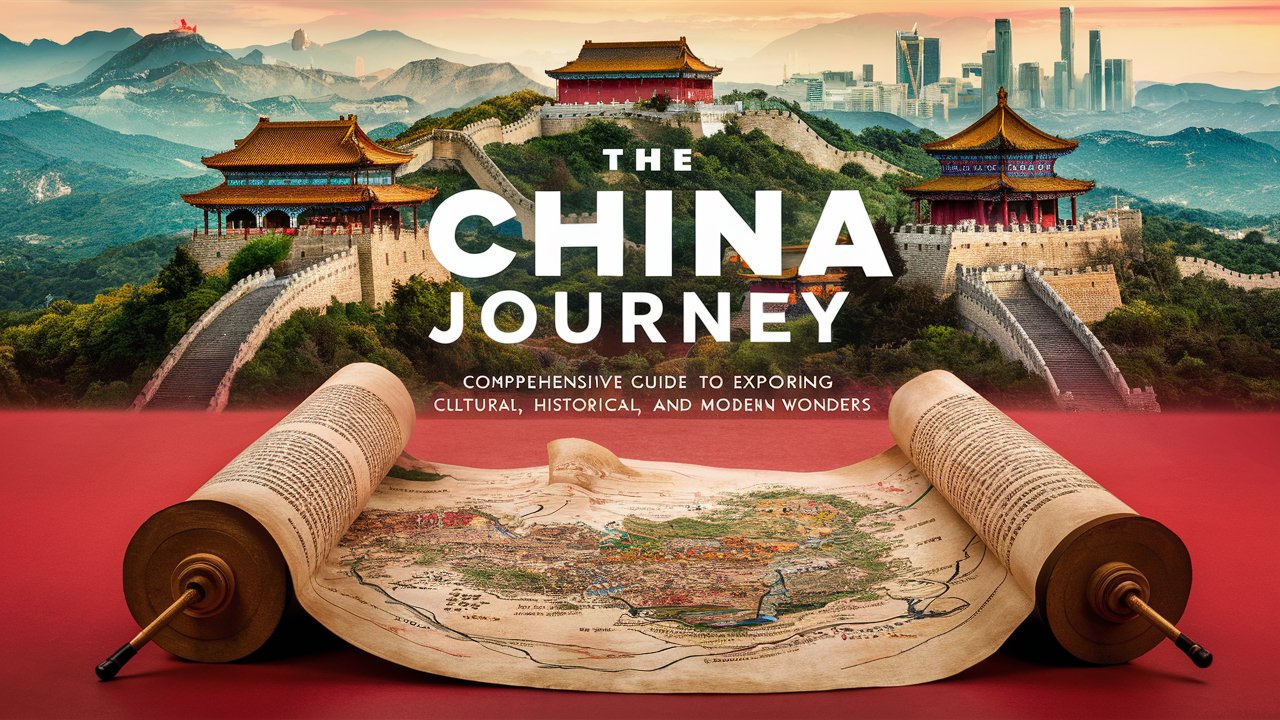
China stands as one of the world’s most captivating destinations, blending thousands of years of history with cutting edge development and natural beauty. As we explore The China Journey, we uncover the essence of a country defined by cultural depth, architectural marvels, regional diversity, and technological innovation. This guide offers an in depth look at China’s regions, traditions, landmarks, cuisine, and travel insights to help travelers experience the nation in its fullest dimension.
Rich Historical Heritage That Defines China
China’s history stretches back over five millennia, making it one of the world’s oldest civilizations. Its heritage is preserved in ancient cities, majestic monuments, and cultural artifacts that offer a window into dynasties that shaped Asia and beyond.
The Influence of Ancient Dynasties
The Qin, Han, Tang, Song, Yuan, Ming, and Qing dynasties all contributed to the nation’s growth. Each era left behind distinctive architecture, philosophies, inventions, and governance systems. During The China Journey, travelers can explore influences of these dynasties in China’s palaces, temples, and preserved old towns.
Landmarks That Tell Timeless Stories
Some of China’s most iconic sites include:
- The Great Wall of China, stretching across mountains and deserts, representing the strength and vision of ancient rulers.
- The Forbidden City, a sprawling imperial palace in Beijing with 9,999 rooms and centuries of royal history.
- The Terracotta Army, thousands of life-sized statues guarding the tomb of Emperor Qin Shi Huang.
- Classical Gardens of Suzhou, showcasing ancient landscape artistry and harmony with nature.
Each landmark offers travelers not only stunning visuals but a deeper understanding of China’s historic evolution.
Modern China: A Future Shaped by Innovation
Alongside its ancient culture, modern China has emerged as a global hub for technology, infrastructure, and digital advancements.
Mega Cities Leading the Way
Cities such as:
- Shanghai with its futuristic skyline, global finance center, and cutting edge transportation.
- Shenzhen, known as the Silicon Valley of China, home to major tech giants.
- Beijing, blending political significance with modern business districts and cultural sites.
These cities offer travelers a look at the dynamic pulse of contemporary Chinese life.
High Speed Rail: A Journey of Convenience
China’s high speed rail network is among the most advanced in the world. Travelers can move between major cities at speeds exceeding 300 km/h, allowing seamless exploration across regions.
Diverse Regions Offering Unique Travel Experiences
China’s vast geography creates a wide range of landscapes and cultural traditions. As we explore The China Journey, each region reveals its own character.
Northern China: Imperial Grandeur and Vast Landscapes
Northern China features rugged scenery, ancient capital cities, and preserved heritage sites.
Key highlights include:
- Beijing for imperial architecture, hutong neighborhoods, and historic temples.
- Inner Mongolia with grasslands, nomadic culture, and desert environments.
- Harbin, known for its famous Ice and Snow Festival.
Southern China: Natural Beauty and Traditional Villages
Southern China is known for misty mountains, serene rivers, and old villages that represent traditional Chinese lifestyles.
Notable destinations:
- Guilin and Yangshuo, famous for limestone karst mountains.
- Hangzhou, celebrated for West Lake and tea plantations.
- Guangzhou, a major cultural and culinary center.
Western China: Ethnic Diversity and Majestic Mountain Ranges
Western China showcases diverse cultures and untouched landscapes.
Key attractions include:
- Tibet, home to Tibetan Buddhism, monasteries, and sacred lakes.
- Xinjiang, known for Silk Road history and unique Uyghur traditions.
- Sichuan, offering spicy cuisine, panda conservation centers, and dramatic mountain scenery.
Traditional Culture That Continues to Inspire
China’s cultural traditions remain vibrant today. From calligraphy to martial arts, travelers encounter customs passed down for generations.
Festivals and Celebrations
Some of the world’s most colorful celebrations originate in China, such as:
- Chinese New Year, filled with fireworks, lion dances, and family feasts.
- Mid Autumn Festival, known for mooncakes and lanterns.
- Dragon Boat Festival, featuring racing boats and sticky rice dumplings.
Each celebration reflects deep values of community, family, and respect for ancestors.
Arts, Crafts, and Philosophy
Travelers can explore China’s artistic and philosophical contributions, including:
- Confucian teachings emphasizing harmony and morality.
- Traditional Chinese medicine, balancing body and spirit.
- Silk weaving, porcelain making, and ink painting.
These forms of art and wisdom play an essential role in shaping China’s identity.
China’s World-Famous Cuisine
Chinese cuisine is known worldwide for its flavor diversity. Each region offers specialties that reveal its history and local ingredients.
Regional Cuisines Worth Exploring
- Sichuan Cuisine with its signature spicy and numbing flavors.
- Cantonese Cuisine, offering delicate dim sum and seafood dishes.
- Shandong Cuisine, emphasizing fresh ingredients and rich broths.
- Jiangsu Cuisine, known for its refined techniques and sweet notes.
Food lovers on The China Journey will find countless dishes to enjoy, from street snacks to gourmet banquets.
Travel Tips for a Smooth Journey in China
To make the most of The China Journey, travelers should consider a few practical tips:
Best Time to Visit
Spring and autumn offer comfortable weather and scenic landscapes. These seasons are ideal for both city exploration and nature trips.
Language and Communication
While Mandarin is the national language, translation apps and bilingual signage in major cities make travel more accessible.
Local Transportation
High speed trains, metros, taxis, and rideshare services are widely available. For long distances, domestic flights are convenient.
Cultural Etiquette
Respect for traditions and polite behavior is valued. Simple gestures like using both hands to pass items show courtesy.
Conclusion: Embracing The China Journey
China offers an unforgettable blend of history, modern innovation, natural landscapes, and cultural depth. Whether exploring ancient temples, tasting regional cuisine, or experiencing the energy of futuristic cities, travelers discover a country that continues to amaze, inspire, and evolve.

Embarking on a veneajelu, or boat ride, is one of the most enchanting ways to experience the natural beauty of Finland. Surrounded by thousands of lakes and an endless coastline dotted with islands, Finland is a haven for boating enthusiasts. Whether you’re seeking a peaceful lake cruise, an adventurous archipelago exploration, or a luxurious private yacht experience, a veneajelu offers unforgettable moments on the water. In this comprehensive guide, we explore everything you need to know about veneajelu—destinations, tips, activities, and how to make your trip truly exceptional.
What Is a Veneajelu?
The Finnish term veneajelu literally translates to boat ride. It encompasses a wide range of water-based experiences—from short sightseeing tours to multi-day private cruises. These excursions can take place on tranquil inland lakes, scenic rivers, or along Finland’s breathtaking coastal archipelagos. Whether on a traditional wooden boat, a modern motor yacht, or an eco-friendly electric vessel, veneajelu experiences are designed to immerse you in nature and Finnish culture.
A veneajelu isn’t just transportation—it’s an experience of serenity and exploration. It invites travelers to disconnect from the noise of everyday life and reconnect with the calm rhythms of nature.
Top Destinations for a Perfect Veneajelu
1. Helsinki Archipelago
The Helsinki Archipelago features over 300 islands, each with its own charm. A veneajelu around these islands offers panoramic views of the city skyline, pristine beaches, and cultural landmarks like Suomenlinna Fortress, a UNESCO World Heritage Site. Many tours depart from the Market Square, offering sunset cruises and private charters for small groups.
2. Lake Saimaa
As the largest lake in Finland, Lake Saimaa is a paradise for boat lovers. Its labyrinth of waterways, islands, and canals offers endless exploration opportunities. You can rent a private boat or join a guided Saimaa Canal cruise to experience the beauty of the region and maybe even spot the rare Saimaa ringed seal.
3. Turku Archipelago
The Turku Archipelago is a collection of over 20,000 islands, creating one of the most stunning maritime landscapes in Europe. A veneajelu here takes you through historic fishing villages, cozy guest harbors, and unspoiled nature. Many visitors combine their cruise with stops at Naantali, Korpo, or Nagu to enjoy authentic Finnish cuisine and local hospitality.
4. Tampere’s Lake Pyhäjärvi
Known as Finland’s “lake city,” Tampere offers scenic veneajelu routes across Lake Pyhäjärvi and Näsijärvi. Cruises often include dining experiences and onboard entertainment, making them ideal for romantic evenings or family outings.
5. Lapland’s River Cruises
For those who crave the magic of the Arctic, Lapland’s river cruises offer a truly unique veneajelu experience. Glide along the Kemijoki River or Ounasjoki River under the Midnight Sun in summer or surrounded by snow-covered forests in winter. Some cruises even feature Northern Lights viewing decks.
Types of Veneajelu Experiences
1. Sightseeing Cruises
Perfect for first-time visitors, sightseeing veneajelu tours offer guided experiences highlighting Finland’s landscapes, wildlife, and cultural heritage. Audio guides are often available in multiple languages, making them accessible to international travelers.
2. Private Boat Tours
For those seeking exclusivity, private veneajelu tours allow full customization. Choose your route, dining options, and onboard activities. Whether it’s a romantic anniversary trip, a corporate event, or a family celebration, private tours deliver a tailored experience.
3. Luxury Yacht Charters
A luxury veneajelu aboard a private yacht is the epitome of comfort and sophistication. Equipped with fine dining, saunas, and spacious cabins, these charters provide a high-end experience for discerning travelers. Many luxury yachts operate around Helsinki, Turku, and the Åland Islands.
4. Eco-Friendly Boat Rides
As sustainability gains importance, many operators now offer eco-friendly veneajelu options using electric or solar-powered boats. These silent cruises not only protect the environment but also enhance the experience of peace and quiet on the water.
5. Fishing and Adventure Cruises
Adventure enthusiasts can enjoy fishing veneajelu or kayak-supported expeditions through Finland’s vast waterways. Guided by local experts, these trips provide hands-on experiences and a deeper connection to Finnish outdoor traditions.
What to Expect During a Veneajelu
A typical veneajelu begins with a safety briefing and an introduction to the route. Depending on the duration, you might enjoy onboard snacks, beverages, or full-course meals prepared with local ingredients such as salmon, rye bread, and wild berries.
The atmosphere is calm and relaxing, with opportunities for photography, swimming stops, and even island visits. During evening cruises, you’ll witness breathtaking sunsets and perhaps even the shimmering Northern Lights in northern regions.

Best Time to Enjoy a Veneajelu
The veneajelu season typically runs from May to September, when the weather is mild and daylight lasts for up to 20 hours. Summer offers ideal conditions for sightseeing and outdoor activities. However, autumn brings golden forests and fewer crowds, making it a great time for a peaceful escape.
In winter, some operators offer icebreaker cruises, allowing you to experience the thrill of sailing through frozen seas—a true Finnish adventure.
Essential Tips for Your Veneajelu Experience
-
Book in Advance: Popular routes and private tours fill up quickly during summer. Early booking ensures the best availability.
-
Dress in Layers: Even in summer, the wind on the water can be chilly. Bring a light jacket or windbreaker.
-
Bring a Camera: Finland’s landscapes are incredibly photogenic—capture the serene beauty of lakes, islands, and wildlife.
-
Respect Nature: Follow local guidelines to protect the fragile ecosystems you visit.
-
Try Local Delicacies: Many cruises include authentic Finnish dishes—don’t miss traditional smoked fish or berry desserts.
Why a Veneajelu Is a Must-Do in Finland
A veneajelu is more than a boat trip—it’s an immersion in Finnish identity. Finland’s connection to water is deep-rooted; from the calm reflection of lakes to the rhythm of the archipelago waves, boating embodies the Finnish way of life. Every ride is a story of nature, culture, and tranquility woven together.
Whether you’re an explorer seeking adventure or a traveler yearning for peace, a veneajelu offers a timeless escape into Finland’s natural heart.
Conclusion
Exploring Finland through a veneajelu is one of the most rewarding travel experiences imaginable. It captures the essence of Finnish serenity, showcasing the country’s lakes, islands, and coastlines in their purest form. From luxurious yacht journeys to simple wooden boat rides, every veneajelu promises breathtaking scenery and unforgettable memories.
So, next time you plan your Finnish getaway, make sure a veneajelu is at the top of your list—it’s the best way to truly experience the “Land of a Thousand Lakes.”
Frequently Asked Questions (FAQ)
1. What is the average cost of a veneajelu in Finland?
Prices range from €20 for short sightseeing tours to over €1,000 for private or luxury yacht experiences.
2. Do I need a license to rent a boat in Finland?
For smaller boats, no license is needed, but larger vessels may require a boating permit.
3. Are veneajelu tours available year-round?
Most tours operate from May to September, though some special icebreaker and winter cruises are available in select regions.
4. Can I bring food and drinks on board?
Yes, most private tours allow it. However, guided tours may provide onboard catering.
5. Is a veneajelu suitable for families?
Absolutely! Many tours are family-friendly and offer life jackets, restrooms, and child-friendly activities.
-

 Entertainment6 months ago
Hitaar – Meaning, Significance, and Complete Guide
-

 Crypto5 months ago
Crypto30x.com: Your Ultimate Guide to Crypto Investments and Market Insights
-

 Business5 months ago
هنتاوي.com – The Complete Guide to Understanding, Accessing, and Exploring Online Content Safely
-

 Science6 months ago
Understanding HCOOH + CH₂ → H₂O: A Complete Guide
-

 Business4 months ago
هنتاوي.com – The Ultimate Guide to Discovering Everything About the Platform
-

 Trends6 months ago
“Coomer SU: Understanding the Phenomenon and Its Impact”
-

 Entertainment4 months ago
Hanime1 – Everything You Need to Know About This Popular Platform
-

 Entertainment4 months ago
Czech Hunter – Everything You Need to Know About the Popular Series