
Health
Insoya: A Comprehensive Guide to Nutrition, Benefits, Uses, and Modern Relevance


Insoya has emerged as a widely recognized name associated with soy-based nutrition, plant-powered protein, and everyday wellness. As dietary preferences evolve toward healthier and more sustainable choices, Insoya stands at the intersection of nutrition science, plant-based living, and functional foods. We explore Insoya in depth, covering its origins, nutritional value, health advantages, culinary applications, and its growing relevance in modern lifestyles. This article is designed to deliver authoritative, detailed, and practical knowledge that positions Insoya as a leading solution for balanced nutrition.
Keyword-Rich Titles and Their Explanations
1. Insoya Nutrition Profile
This title targets users searching for Insoya nutritional value, focusing on macronutrients, micronutrients, and functional compounds that support health.
2. Health Benefits of Insoya
A high-intent keyword phrase that addresses Insoya benefits, including heart health, muscle support, digestion, and metabolic wellness.
3. Insoya Uses in Daily Diet
This title aligns with searches around Insoya uses, Insoya recipes, and how to consume Insoya, offering practical integration ideas.
4. Insoya for Plant-Based and Lactose-Free Diets
This heading captures vegan, vegetarian, and lactose-free search intent, positioning Insoya as a versatile dairy alternative.
5. Insoya and Sustainable Nutrition
A forward-looking title that addresses environmental impact, sustainable food choices, and plant-based protein sources.
Each title is strategically chosen to cover high-value keywords while offering meaningful explanations that satisfy search intent.
What Is Insoya?
Insoya refers to a soy-based nutritional product commonly associated with soy milk, soy beverages, or soy protein formulations. Derived from carefully processed soybeans, Insoya delivers essential nutrients in a highly digestible form. It is widely consumed as a beverage, cooking ingredient, or nutritional supplement and is valued for its balanced amino acid profile and cholesterol-free composition.
Soybeans used in Insoya production undergo controlled processing to retain their natural goodness while improving taste, texture, and bioavailability. This makes Insoya suitable for daily consumption across age groups.
Insoya Nutrition Profile
The nutritional strength of Insoya lies in its well-rounded composition. It provides high-quality plant protein, complex carbohydrates, and beneficial fats while remaining naturally low in saturated fat.
Key nutritional highlights include:
-
Complete plant protein containing all essential amino acids
-
Calcium and vitamin D (often fortified) to support bone health
-
Iron and magnesium for energy metabolism and oxygen transport
-
Isoflavones, naturally occurring antioxidants linked to cellular protection
-
Low cholesterol and lactose-free composition
This profile makes Insoya an effective alternative to traditional dairy and animal-based protein sources.
Health Benefits of Insoya
Insoya benefits extend across multiple dimensions of health, making it a staple for wellness-oriented consumers.
Heart Health Support
Regular consumption of soy-based foods like Insoya is associated with improved lipid profiles. The absence of cholesterol and presence of polyunsaturated fats contribute to cardiovascular balance when included as part of a varied diet.
Muscle and Strength Maintenance
With its high protein density, Insoya supports muscle repair and maintenance, making it suitable for active individuals, older adults, and those seeking plant-based protein sources.
Digestive Comfort
Insoya is naturally lactose-free, reducing digestive discomfort for individuals with lactose intolerance. Its gentle composition supports smooth digestion when consumed in moderation.
Hormonal Balance
Soy isoflavones found in Insoya have been studied for their role in supporting hormonal equilibrium, particularly during life stages where balance is essential.

Insoya Uses in Daily Diet
One of the defining strengths of Insoya is its versatility. It integrates seamlessly into daily meals and beverages without compromising taste or nutrition.
Common uses include:
-
As a direct beverage, consumed hot or cold
-
Added to tea, coffee, and smoothies as a dairy alternative
-
Used in cooking and baking, enhancing texture and protein content
-
Incorporated into soups, sauces, and cereals
Insoya’s neutral flavor profile allows it to adapt to both savory and sweet preparations, making it practical for everyday use.
Insoya for Plant-Based and Lactose-Free Diets
As interest in plant-based nutrition continues to grow, Insoya plays a central role in meeting dietary needs without animal products. It is particularly valued by individuals following vegan, vegetarian, or flexitarian lifestyles.
For those avoiding dairy, Insoya offers:
-
Comparable protein content to milk
-
Fortified nutrients commonly associated with dairy
-
A smooth texture suitable for diverse recipes
This positions Insoya as a dependable option for inclusive and adaptive diets.
Insoya and Sustainable Nutrition
Sustainability is a critical factor in modern food choices. Insoya aligns with environmentally conscious nutrition by utilizing plant-based resources that generally require fewer inputs compared to animal agriculture.
Key sustainability aspects include:
-
Efficient protein yield from soybeans
-
Reduced environmental footprint per serving
-
Support for diversified agricultural systems
Choosing Insoya contributes to a broader shift toward responsible and future-focused food systems.
Quality, Safety, and Storage of Insoya
Maintaining the quality of Insoya depends on proper handling and storage. It should be stored according to packaging guidelines, typically in a cool, dry place before opening and refrigerated afterward if applicable. Reputable production standards ensure safety, consistency, and nutrient retention.
Conclusion
Insoya represents a modern nutritional solution that balances health, versatility, and sustainability. With its robust nutrient profile, wide-ranging health benefits, and adaptability across dietary preferences, Insoya continues to gain relevance in households seeking smarter food choices. We recognize Insoya as more than a soy-based product; it is a functional component of contemporary wellness and responsible nutrition.
Frequently Asked Questions (FAQ)
Is Insoya suitable for daily consumption?
Yes, Insoya can be consumed daily as part of a balanced diet, offering consistent protein and essential nutrients.
Does Insoya contain lactose?
No, Insoya is naturally lactose-free, making it suitable for individuals with lactose intolerance.
Can Insoya replace dairy milk completely?
Insoya can effectively replace dairy milk in most uses, especially when fortified with calcium and vitamins.
Is Insoya appropriate for children and older adults?
When consumed as part of a varied diet, Insoya can support nutritional needs across age groups.
Does Insoya support plant-based fitness goals?
Yes, the high-quality protein in Insoya supports muscle maintenance and recovery for active lifestyles.

Cellulogia is a term increasingly used to describe a complex skin condition characterized by uneven skin texture, localized inflammation, and structural changes in subcutaneous tissue. While often confused with similar dermatological or cosmetic conditions, cellulogia represents a broader concept that integrates skin physiology, connective tissue behavior, and lifestyle influences. We address cellulogia from a holistic and evidence-informed perspective, focusing on skin appearance, tissue integrity, and long-term wellness rather than temporary cosmetic fixes. Understanding cellulogia is essential for individuals seeking sustainable skin improvement and professionals aiming to provide informed guidance.
What Is Cellulogia and Why It Matters
Cellulogia refers to alterations in the skin’s connective matrix, often visible as dimpling, firmness variations, or localized swelling. These changes may be influenced by microcirculation, lymphatic flow, collagen structure, and adipose tissue distribution. Cellulogia matters because it reflects underlying tissue dynamics that go beyond surface-level appearance. Addressing it requires a structured approach that supports skin resilience, elasticity, and metabolic balance.
Key Characteristics of Cellulogia
Cellulogia presents through a combination of visible and tactile signs that vary by individual. The most common characteristics include:
-
Uneven skin texture with dimpling or waviness
-
Localized firmness or softness in specific regions
-
Reduced skin elasticity due to connective tissue stress
-
Altered microcirculation, impacting skin tone and vitality
Recognizing these characteristics early allows for targeted strategies that prioritize long-term skin quality.
Primary Causes and Contributing Factors of Cellulogia
Cellulogia develops through a multifactorial process. We identify the most influential contributors that shape its progression:
Connective Tissue Structure
The organization of collagen and elastin fibers plays a central role in skin smoothness. When these fibers lose alignment or strength, the skin surface reflects deeper irregularities. Supporting connective tissue health is essential in managing cellulogia effectively.
Microcirculation and Lymphatic Flow
Efficient blood flow and lymphatic drainage help maintain nutrient delivery and waste removal. Disruptions in these systems can contribute to fluid retention and tissue congestion, both commonly associated with cellulogia.
Lifestyle and Metabolic Factors
Sedentary habits, prolonged sitting, and inconsistent physical activity can impair tissue oxygenation. Nutritional imbalances may also affect collagen synthesis and inflammatory responses, amplifying visible signs of cellulogia.
Hormonal and Genetic Influences
Hormonal fluctuations can influence fat distribution and connective tissue behavior. Genetic predisposition may determine how resilient the skin is to structural stress over time.
Types of Cellulogia and Their Distinct Features
Understanding different forms of cellulogia helps tailor effective interventions:
Soft Cellulogia
Characterized by loose, less compact tissue, this type often appears when muscle tone is reduced. It may fluctuate with body position and responds well to strength-focused routines and circulation support.
Compact Cellulogia
This form involves denser tissue with reduced flexibility, often linked to connective tissue rigidity. Compact cellulogia benefits from strategies that enhance tissue mobility and elasticity.
Edematous Cellulogia
Associated with fluid retention and swelling, edematous cellulogia reflects compromised lymphatic flow. Addressing this type requires a strong emphasis on drainage, hydration balance, and movement.

Effective Strategies for Managing Cellulogia
Managing cellulogia requires consistency and a multifaceted approach that integrates daily habits with targeted care.
Optimizing Physical Activity
Regular movement supports circulation and connective tissue strength. Activities that combine resistance training, dynamic stretching, and low-impact cardio encourage tissue remodeling and skin firmness. We emphasize structured routines that engage large muscle groups to stimulate metabolic activity.
Nutritional Support for Skin Integrity
A nutrient-dense diet supports collagen synthesis and tissue repair. Adequate intake of protein, antioxidants, and essential fatty acids helps maintain skin elasticity and resilience. Hydration is equally critical to sustain cellular function and reduce tissue congestion.
Topical and Manual Interventions
While surface treatments alone are insufficient, manual techniques such as massage and myofascial release can complement internal strategies. These methods encourage circulation and improve tissue pliability when applied consistently.
Postural Awareness and Daily Habits
Prolonged static positions can exacerbate tissue stagnation. Incorporating postural adjustments, regular breaks, and ergonomic awareness contributes to healthier tissue dynamics throughout the day.
Long-Term Benefits of Addressing Cellulogia
Taking a proactive approach to cellulogia delivers benefits that extend beyond aesthetics. Individuals often experience:
-
Improved skin tone and texture
-
Enhanced tissue comfort and mobility
-
Greater confidence through visible skin improvement
-
Sustainable habits that support overall wellness
By focusing on foundational health rather than quick fixes, results become more stable and enduring.
Common Myths About Cellulogia
Misinformation often undermines effective care. We clarify essential points:
-
Cellulogia is not solely related to body weight
-
Temporary treatments do not address structural causes
-
Consistency outweighs intensity in achieving visible change
Understanding these realities empowers informed decision-making and realistic expectations.
Conclusion: A Structured Path Toward Healthier Skin
Cellulogia represents a dynamic interaction between connective tissue, circulation, and lifestyle patterns. Addressing it effectively requires a comprehensive strategy that supports skin structure from within while reinforcing healthy daily practices. We emphasize sustainable methods that enhance tissue integrity, improve circulation, and promote long-term skin vitality. Through informed choices and consistent action, visible improvements become achievable and lasting.
Frequently Asked Questions About Cellulogia
Is cellulogia a medical condition or a cosmetic concern?
Cellulogia reflects underlying tissue dynamics and is best approached as a skin health concern with aesthetic implications rather than a purely cosmetic issue.
Can cellulogia be completely eliminated?
While complete elimination varies by individual, significant and lasting improvement is achievable through consistent, structured care.
How long does it take to see visible changes?
Most individuals notice changes in skin texture and firmness within several weeks of sustained intervention, with continued improvement over time.
Does age influence cellulogia development?
Age can affect collagen production and tissue elasticity, making preventive and supportive strategies increasingly important over time.
Are lifestyle changes truly effective for cellulogia?
Lifestyle adjustments are foundational and provide the most reliable long-term results when addressing cellulogia.
Health
Koriandri: The Complete Authoritative Guide to Coriander for Culinary, Health, and Agricultural Excellence
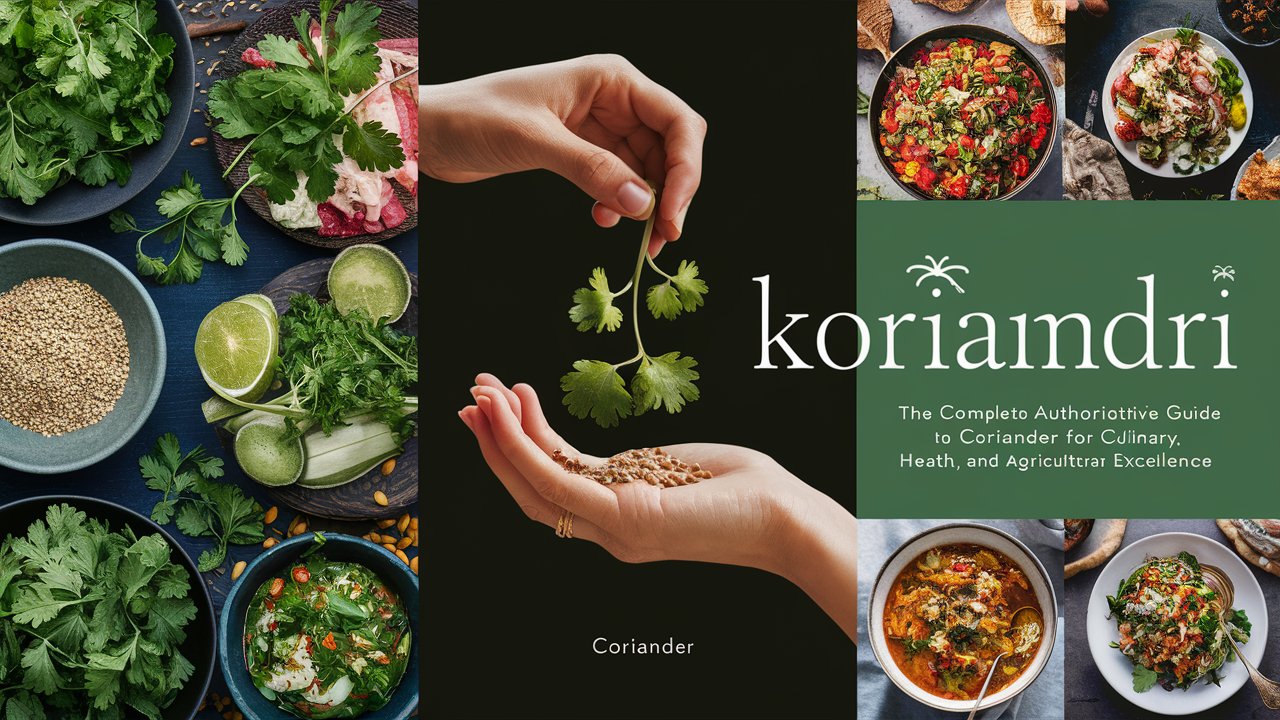
Koriandri, widely recognized as coriander (Coriandrum sativum), stands as one of the most versatile and globally cherished herbs. We explore koriandri as a culinary cornerstone, a nutritional powerhouse, and an agricultural staple cultivated across continents. From fresh green leaves to aromatic seeds, koriandri offers layers of flavor, fragrance, and function that elevate cuisines, support wellness, and contribute to sustainable farming systems. This comprehensive guide delivers an in-depth exploration designed to establish absolute topical authority on koriandri.
Keyword-Rich Titles and Their Explanations
-
Koriandri Herb Overview – Covers botanical identity, origins, and global relevance.
-
Coriander Leaves and Seeds – Explains distinct uses and properties of each form.
-
Health Benefits of Koriandri – Details nutritional value and wellness applications.
-
Culinary Uses of Coriander – Explores regional cuisines and cooking techniques.
-
Growing Koriandri Successfully – Provides cultivation best practices.
-
Koriandri Storage and Preservation – Ensures freshness and potency.
-
Economic and Cultural Importance of Coriander – Highlights trade and traditions.
Each title integrates high-intent keywords while delivering focused, authoritative explanations.
Botanical Identity and Origin of Koriandri
Koriandri belongs to the Apiaceae family, sharing lineage with parsley, cumin, and fennel. Native to the Mediterranean and Western Asia, coriander has been cultivated for over 3,000 years. Ancient texts from Egypt, Greece, and India reference koriandri for both culinary and medicinal purposes. The plant features delicate, feathery leaves, slender stems, and round seeds that mature into a warm, citrusy spice. Its adaptability has enabled widespread cultivation across temperate and subtropical regions.
Coriander Leaves vs. Coriander Seeds
Koriandri leaves, often called cilantro, deliver a fresh, bright, and slightly peppery flavor. They are used raw or lightly cooked to preserve aromatic oils. Coriander seeds, by contrast, offer a warm, nutty, and citrus-infused profile when dried. Ground seeds are foundational in spice blends, while whole seeds are used for pickling and tempering. Understanding this duality is essential for maximizing koriandri’s culinary and commercial value.
Nutritional Profile and Health Benefits of Koriandri
Koriandri is rich in vitamins A, C, and K, alongside minerals such as potassium, calcium, and iron. The leaves provide antioxidants that support immune health, while the seeds contain essential oils like linalool, known for digestive and anti-inflammatory properties. Regular inclusion of koriandri contributes to improved digestion, balanced blood sugar, and cardiovascular wellness. Traditional systems value coriander for detoxifying effects and metabolic support, reinforcing its status as a functional herb.

Culinary Uses of Koriandri Across Global Cuisines
Koriandri is indispensable in diverse culinary traditions. In South Asian cooking, coriander leaves garnish curries, chutneys, and lentil dishes, while seeds anchor spice mixes such as garam masala. Middle Eastern cuisine relies on coriander seeds for depth in meat rubs and stews. Latin American kitchens celebrate fresh koriandri in salsas, ceviche, and soups. European baking incorporates ground coriander for subtle citrus warmth. Each application demonstrates koriandri’s unmatched adaptability.
Growing Koriandri: Cultivation Best Practices
Successful cultivation of koriandri requires well-drained soil, moderate sunlight, and consistent moisture. The herb thrives in cooler temperatures, bolting quickly in excessive heat. Direct sowing ensures strong root development, while staggered planting extends harvest periods. Organic compost enhances leaf yield and essential oil concentration. For seed production, allowing plants to flower and set seed ensures high-quality coriander for culinary and commercial use.
Harvesting, Storage, and Preservation of Koriandri
Harvest koriandri leaves early in the morning to retain maximum aroma. Fresh leaves store best when wrapped in damp paper and refrigerated. Freezing chopped koriandri in airtight containers preserves flavor for extended use. Coriander seeds should be harvested when brown and fully dried, then stored in sealed containers away from light and heat. Proper handling maintains potency and shelf life.
Economic and Cultural Significance of Koriandri
Koriandri holds substantial economic value in global spice markets. Major producers include India, Morocco, Russia, and Eastern Europe. The herb’s cultural importance is reflected in festivals, traditional medicines, and regional identities. Coriander’s resilience and demand make it a profitable crop for smallholders and commercial farms alike, contributing to food security and trade.
Koriandri in Modern Wellness and Sustainability
Modern wellness industries incorporate koriandri into teas, supplements, and essential oils. Its low environmental footprint and compatibility with sustainable farming practices enhance its relevance in eco-conscious agriculture. Intercropping koriandri improves soil health and biodiversity, reinforcing its role in regenerative systems.
Conclusion
Koriandri stands as a multifaceted herb that bridges tradition and innovation. Its culinary versatility, nutritional richness, and agricultural resilience establish it as an indispensable global ingredient. By understanding and applying best practices in use, cultivation, and preservation, we unlock the full potential of koriandri for kitchens, farms, and wellness pursuits worldwide.
Frequently Asked Questions (FAQ)
What is the difference between koriandri and cilantro?
Koriandri refers to the entire plant, while cilantro specifically denotes the fresh leaves.
Can koriandri be used daily?
Yes, moderate daily consumption supports digestion and nutrient intake.
How long does coriander seed remain potent?
When stored properly, coriander seeds retain flavor for up to two years.
Is koriandri suitable for organic farming?
Absolutely, it thrives with organic inputs and minimal intervention.
Does koriandri grow indoors?
With adequate light and drainage, koriandri grows successfully in containers.

In today’s rapidly evolving healthcare and care-home environments, hygienstolar—commonly known as hygiene chairs—have become indispensable tools for ensuring patient comfort, mobility support, and high-level sanitation. As care facilities strive to enhance dignity, accessibility, and safety, the demand for durable, ergonomic, and easily sanitized hygiene chairs continues to grow. We explore every essential aspect of hygienstolar, including advanced features, materials, designs, benefits, and expert tips for choosing the best models for various professional settings. With in-depth insights and a comprehensive overview, this guide is designed to help facilities make informed decisions while improving the overall quality of care.
What Are Hygienstolar? Complete Overview of Modern Hygiene Chairs
Hygienstolar are specialized chairs crafted for personal hygiene routines, including showering, toileting, and assisted bathroom tasks. Their purpose is to provide caregivers with practical support while prioritizing user safety and comfort. Built with robust frames, anti-slip features, and water-resistant materials, these chairs are engineered to endure frequent cleaning, moisture exposure, and daily use in clinical, domestic, and rehabilitation environments. Whether used in nursing homes, hospitals, or private homes, hygienstolar ensure independence for users with reduced mobility and peace of mind for caregivers who require dependable tools.
Types of Hygienstolar and Their Key Advantages
There is no one-size-fits-all solution when it comes to hygiene chairs. Each care scenario requires a different configuration, and manufacturers have created diverse models tailored to specific needs.
1. Height-Adjustable Hygienstolar
Height-adjustable models allow caregivers to set the chair at an ideal working height, reducing strain and improving ergonomic efficiency. These chairs are essential for facilities aiming to minimize workplace injuries and enhance caregiver comfort. From easy-to-operate levers to hydraulic systems, adjustable chairs remain among the most versatile options available.
2. Mobile Hygiene Chairs with Wheels
For environments where frequent movement is required, chairs fitted with medical-grade wheels provide seamless mobility. Their locking brakes, directional wheels, and smooth-glide design ensure secure use even in wet conditions. Mobile hygiene chairs are ideal for multi-room care or shared bathroom facilities, offering flexibility and convenience.
3. Stationary Hygienstolar
Fixed-frame chairs offer heightened stability and are well-suited for users needing extra support. With sturdy legs, non-slip feet, and minimal mechanical components, stationary chairs are known for durability and simplicity. These models remain popular in homes and clinics where consistent positioning is crucial.
4. Tiltable and Reclining Hygiene Chairs
Advanced models with tilt-in-space or reclining functions are designed for users with severe mobility limitations. These chairs distribute weight evenly, reduce pressure on sensitive areas, and ensure safe and comfortable positioning during long hygiene routines. Reclining hygienstolar are essential in intensive care units and specialized care facilities.
Key Features to Look for in High-Quality Hygienstolar
Choosing the right hygiene chair requires consideration of several important features that directly influence user experience, longevity, and safety.
Ergonomic Design
An ergonomic design minimizes discomfort and strain. Chairs with anatomically curved seats, padded armrests, and supportive backrests ensure a secure and pleasant experience. Comfort also translates into reduced anxiety for users who find bathing or toileting challenging.
Durable and Hygienic Materials
The best hygienstolar use corrosion-resistant metals, antibacterial plastics, and soft surfaces that do not retain moisture. These materials are simple to disinfect and maintain, guaranteeing long-term reliability and compliance with hygiene standards.
Safety Enhancements
Essential safety features include non-slip rubber feet, side handles, supportive belts, and sturdy construction. Chairs with secure wheel brakes add additional stability, particularly in wet environments.
Weight Capacity and Stability
Understanding the chair’s maximum load capacity is crucial. High-quality chairs offer excellent stability and even weight distribution, preventing tipping and ensuring safe use for individuals with varying body sizes.
Water-Resistant Upholstery
Soft-touch water-resistant cushions increase comfort while allowing for effortless cleaning. Modern chairs use quick-dry foam that maintains shape and sanitation over time.

Benefits of Using Hygienstolar in Care Environments
Hygiene chairs contribute substantially to improving both caregiver workflows and user well-being. Their benefits extend across multiple areas of healthcare and domestic care.
Enhanced Safety
By reducing the risk of slips, falls, and physical strain, hygienstolar offer a controlled environment where daily routines can be performed with maximum security.
Improved Accessibility
For people with mobility limitations, hygiene chairs offer a sense of independence. Even simple tasks such as showering become achievable with minimal assistance, promoting dignity and autonomy.
Time Efficiency for Caregivers
Caregivers save time and energy when using adjustable and mobile chairs, enabling them to allocate more attention to individualized care.
Better Hygiene Standards
Sanitation is crucial in shared environments. Hygienstolar help maintain stringent hygiene standards, reducing the risk of infections and cross-contamination.
How to Choose the Best Hygienstol for Your Facility
Selecting the right hygiene chair involves detailed planning. Facilities must assess user needs, care routines, and their available space.
Understand User Mobility Requirements
Consider whether the user requires assistance with standing, sitting, or transferring. Those with advanced physical limitations may benefit from reclining or tilt-in-space models.
Evaluate the Environment
Smaller bathrooms may require compact chairs. Medical centers, on the other hand, may require more robust, multi-functional models suited for intensive use.
Prioritize Adjustability
A chair with adjustable height or tilting functions provides flexibility for diverse care tasks and multiple caregiver preferences.
Review Long-Term Durability
Investing in chairs with high-quality frames and reinforced components ensures long-term value and less frequent replacements.
Maintenance Tips for Extending the Lifespan of Hygienstolar
To keep hygiene chairs functioning at optimal levels, regular maintenance is essential.
-
Clean all surfaces daily using approved disinfectants.
-
Inspect wheels, brakes, and mechanical parts weekly.
-
Tighten bolts and check frame stability routinely.
-
Replace worn cushions or straps promptly.
-
Store chairs in dry, ventilated spaces when not in use.
These steps prolong the chair’s durability and ensure continuous safe operation.
Conclusion
Hygienstolar play a vital role in delivering safe, dignified, and comfortable hygiene support for individuals across various care settings. Their thoughtfully engineered designs, combined with advanced safety and comfort features, make them indispensable tools in healthcare and home-care environments. By understanding their types, benefits, and essential features, facilities can select the ideal hygiene chair that enhances both caregiver efficiency and user well-being.
FAQ
What is the purpose of a hygienstol?
A hygienstol provides safe support during personal hygiene tasks such as showering, toileting, and bathing, especially for individuals with limited mobility.
Can a hygiene chair be used daily?
Yes. The materials and design are built for frequent use, making them suitable for everyday hygiene routines.
Are mobile hygienstolar safe on wet surfaces?
High-quality models include anti-slip wheels and braking systems designed for safe operation in wet areas.
How do I clean a hygiene chair properly?
Use approved disinfectants after every use, paying special attention to joints, wheels, and cushioned areas.
Do all hygienstolar come with adjustable heights?
No, but many modern models include height-adjustable or tilting features to enhance comfort and usability.
-

 Entertainment6 months ago
Hitaar – Meaning, Significance, and Complete Guide
-

 Crypto5 months ago
Crypto30x.com: Your Ultimate Guide to Crypto Investments and Market Insights
-

 Business5 months ago
هنتاوي.com – The Complete Guide to Understanding, Accessing, and Exploring Online Content Safely
-

 Science6 months ago
Understanding HCOOH + CH₂ → H₂O: A Complete Guide
-

 Business4 months ago
هنتاوي.com – The Ultimate Guide to Discovering Everything About the Platform
-

 Trends6 months ago
“Coomer SU: Understanding the Phenomenon and Its Impact”
-

 Entertainment4 months ago
Hanime1 – Everything You Need to Know About This Popular Platform
-

 Entertainment4 months ago
Czech Hunter – Everything You Need to Know About the Popular Series