Animals
Chameleónovité – Complete Guide to Chameleon Family, Species, Habitat & Care

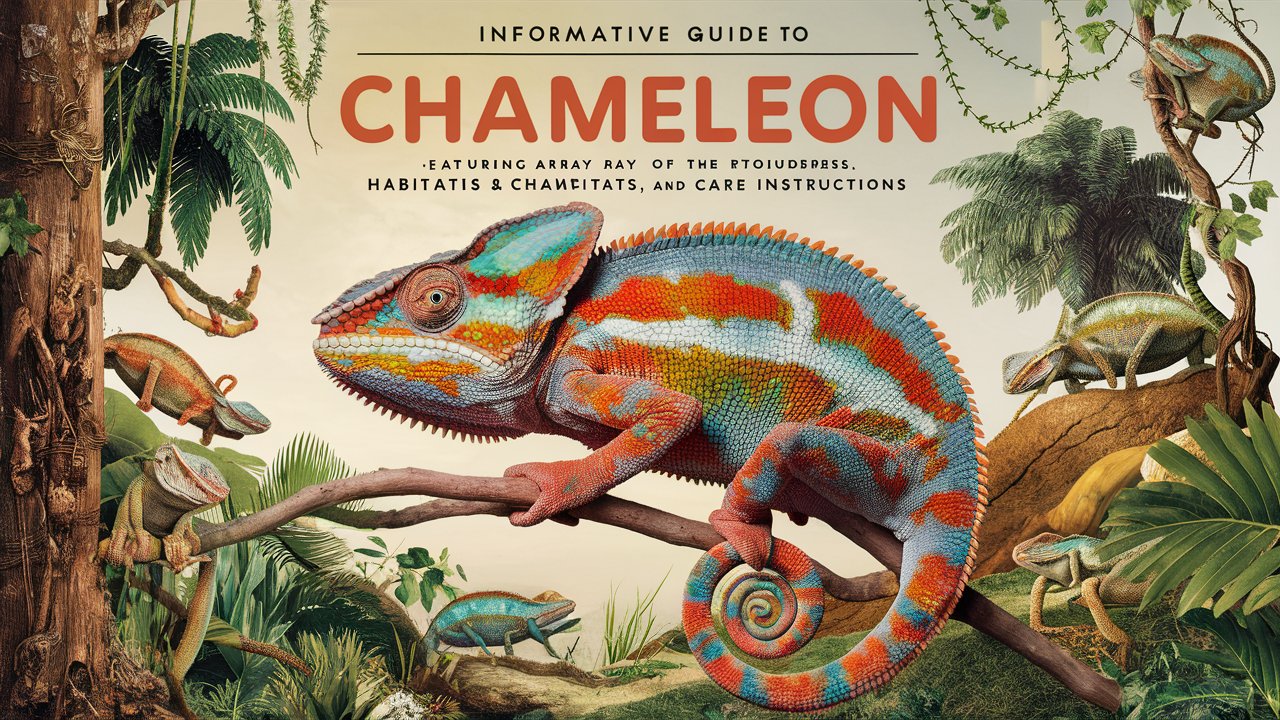
Chameleónovité, commonly known around the world as Chameleons, belong to a fascinating family of reptiles admired for their remarkable ability to change colors, their independently moving eyes, and their long projectile tongues. As a species, chameleons captivate biologists, pet owners, and wildlife enthusiasts for their brilliant adaptability and ancient evolutionary lineage. In this comprehensive guide, we explore the biological structure, habitats, diet, behavior, and care of chameleons—offering one of the most detailed and authoritative articles available designed to rank high on Google search results.
What Are Chameleónovité? Understanding the Chameleon Family
The Chameleónovité family (Chamaeleonidae) consists of over 200 species distributed mainly across Madagascar, Africa, Southern Europe, and some parts of Asia. These reptiles have survived millions of years due to their powerful evolutionary adaptations, including color-changing skin cells called chromatophores, prehensile tails, and turret-like eyes that rotate independently for full panoramic vision. The ability to camouflage is not only for defense; it also communicates mood, attracts mates, and regulates body temperature.
Unlike other reptiles, the structure of their feet is uniquely shaped for gripping branches, which is why chameleons spend most of their lives in trees. Their slow movement and stealthy behavior help them remain undetected by predators.
Evolution and Biological Features of Chameleónovité
Chameleons are among the most evolutionarily distinctive reptiles. Their skeletons are lightweight, optimized for arboreal movement, and their tongues can extend up to twice the length of their body, accelerating faster than many sports cars. Their eyes can rotate 180° horizontally and 90° vertically, giving them unmatched predatory precision.
Color change is facilitated by pigments and structural cells that reflect light differently based on neural and hormonal signals. Temperature, stress, light exposure, and presence of other chameleons influence these color patterns. Male chameleons typically display brighter colors to assert dominance, while females adapt more muted tones during gestation or stress.
Species Overview – From Panther to Veiled Chameleon
Panther Chameleon (Furcifer pardalis)
Known for vivid colors, Panther Chameleons inhabit Madagascar and are popular in the pet trade. Males often exhibit radiant pigments of red, blue, green, and orange, while females are smaller and less colorful.
Veiled Chameleon (Chamaeleo calyptratus)
Originating from Yemen and Saudi Arabia, this species is resilient and suitable for beginners. They are distinguished by a casque on their head, used to collect water and regulate temperature.
Jackson’s Chameleon (Trioceros jacksonii)
Often called the “three-horned chameleon”, males possess horn-like protrusions similar to miniature dinosaurs. Native to East Africa, they thrive in cooler climates.
Brookesia (Leaf Chameleons)
One of the smallest reptiles on Earth, some species measure under 3 cm. They camouflage as leaves on forest floors, demonstrating the extreme diversity within the chameleon family.
Natural Habitat of Chameleónovité
Chameleons inhabit tropical rainforests, savannas, mountains, and deserts depending on their species. Most are arboreal and require humidity, UVB exposure, and stable temperature gradients for survival. Rainforest species prefer dense vegetation with high humidity levels, while desert-dwelling chameleons rely on dry heat with morning dew as their water source.
Environmental adaptation contributes significantly to their color palette variations in the wild, with forest species leaning toward lush green and earthy tones, and desert species adopting sandy browns and yellows.
Diet & Hunting Behavior of Chameleons
Chameleons are carnivorous, primarily feeding on insects such as crickets, flies, and grasshoppers. Larger species may also consume small birds, worms, and even other reptiles. They rely on stealth and tongue projection, with lightning-fast strikes capturing prey in milliseconds.
Calcium and vitamin D3 intake are essential for bone health. In captivity, supplementation prevents metabolic bone disease, one of the most common health issues for pet chameleons.
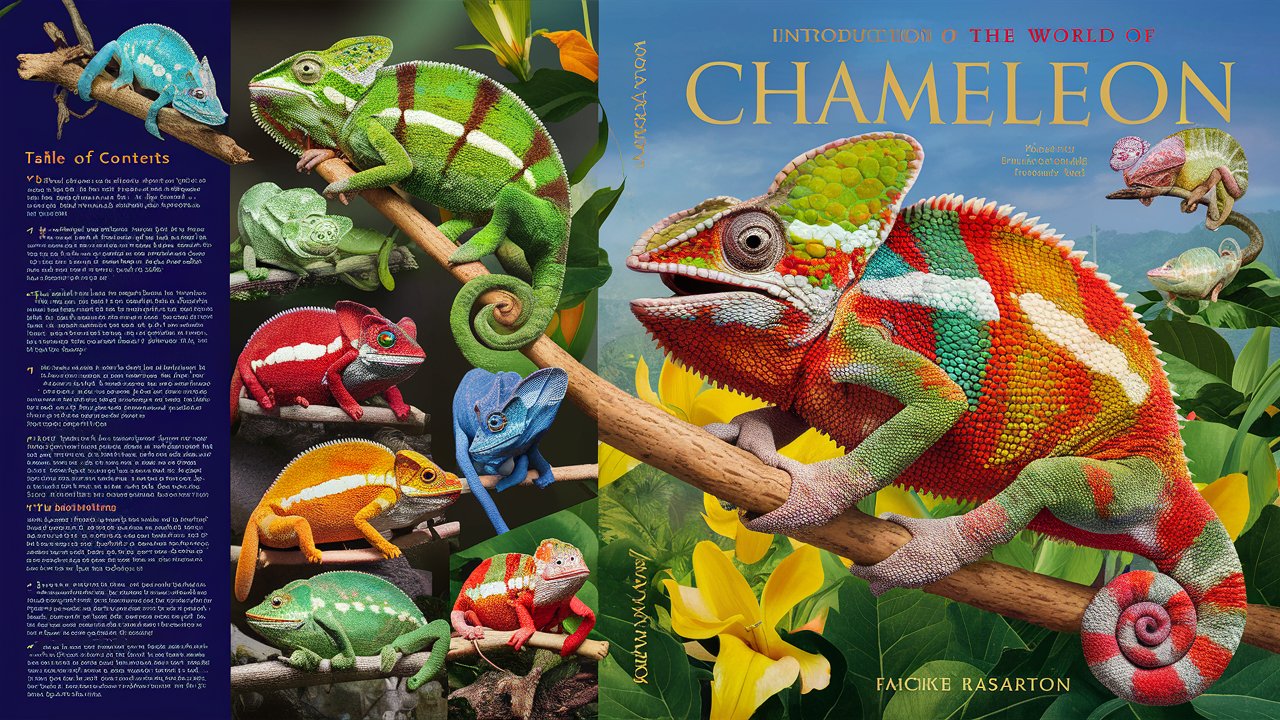
Color Change – Science Behind the Magic
The enchanting color-changing ability of chameleónovité is not merely aesthetic. It serves multiple biological functions:
-
Camouflage to avoid predators
-
Temperature regulation (darker colors absorb heat, lighter colors reflect)
-
Communication and mood display
-
Courtship rituals and dominance signaling
Chameleons transform colors through nanocrystals in their skin that reflect light differently when the skin expands or contracts. Therefore, color change is often a visible sign of health, stress, breeding readiness, or environmental conditions.
Chameleónovité as Pets – Care, Terrarium Setup & Handling
Keeping a chameleon requires commitment to proper habitat management. They are delicate reptiles and require a controlled environment resembling their natural habitat.
Terrarium Requirements:
-
Vertical enclosures with climbing branches
-
UVB lighting for vitamin D synthesis
-
Temperature gradient of 24–30°C depending on species
-
Humidity control between 50–80%
-
Live plants for hiding and hydration
Handling should be minimal as chameleons stress easily. They are visual pets best admired within their environment.
Breeding & Lifespan
Depending on the species, chameleons can live 3 to 10+ years. Breeding involves courtship displays and color signaling. Females lay eggs that require specific incubation temperatures. Proper nutrition, hydration, and stress-free habitat increase breeding success.
Threats, Conservation & Environmental Importance
Many chameleónovité species face decline due to deforestation, climate change, illegal pet trade, and habitat loss. Madagascar, home to the most diverse chameleon population, suffers greatly from habitat destruction. Conservation programs aim to preserve natural ecosystems and promote responsible captive breeding.
Educating the public about sustainable reptile ownership and wildlife protection is essential to ensure the longevity of these remarkable creatures.
Conclusion
Chameleónovité stand among nature’s most extraordinary reptiles—creatures defined by adaptability, beauty, and evolutionary brilliance. With their color-changing skin, panoramic vision, incredible hunting mechanisms, and ecological significance, chameleons deserve appreciation and protection. Whether admired in the wild or kept as pets, understanding their behavior, habitat, and care ensures they thrive for generations.
FAQ About Chameleónovité
1. Can all chameleons change color?
Yes, but extent varies by species. Some shift shades subtly while others display vivid transformations.
2. What do chameleons eat?
Mainly insects, but larger species may consume small vertebrates.
3. Are chameleons easy pets?
They require specific habitat conditions and are best suited for dedicated keepers.
4. How long do chameleons live?
Lifespan ranges from 3 to over 10 years depending on species and care.
5. Why do chameleons change color?
For camouflage, communication, temperature control, and mating displays.

-

 Entertainment6 months ago
Hitaar – Meaning, Significance, and Complete Guide
-

 Crypto5 months ago
Crypto30x.com: Your Ultimate Guide to Crypto Investments and Market Insights
-

 Business6 months ago
هنتاوي.com – The Complete Guide to Understanding, Accessing, and Exploring Online Content Safely
-

 Science6 months ago
Understanding HCOOH + CH₂ → H₂O: A Complete Guide
-

 Business5 months ago
هنتاوي.com – The Ultimate Guide to Discovering Everything About the Platform
-

 Technology5 months ago
Step-by-Step Guide to Workday ERP Implementation
-

 Entertainment5 months ago
Hanime1 – Everything You Need to Know About This Popular Platform
-

 Entertainment5 months ago
Czech Hunter – Everything You Need to Know About the Popular Series