
Health
Osteopur: Comprehensive Guide to Benefits, Uses, and Effectiveness

Bone health is one of the most critical aspects of maintaining overall wellness, particularly as we age. Weakening bones, osteoporosis, and calcium deficiency are challenges faced by millions worldwide. Osteopur has emerged as a highly recommended supplement designed to strengthen bones, improve mineral density, and support joint function. This powerful formulation is enriched with essential nutrients that work together to promote skeletal health and prevent bone-related disorders.
In this article, we will explore the benefits of Osteopur, its ingredients, usage guidelines, side effects, and frequently asked questions to help you understand why this supplement is becoming a trusted choice for bone health support.
What is Osteopur?
Osteopur is a scientifically formulated health supplement that supports bone strength, improves mineral absorption, and reduces the risk of osteoporosis. It contains a blend of calcium, vitamin D3, magnesium, zinc, and other key micronutrients, all of which are essential for bone and joint health. The supplement is commonly prescribed for individuals suffering from calcium deficiency, post-menopausal women at risk of osteoporosis, and elderly people with declining bone density.
Osteopur works by enhancing the natural process of bone mineralization, ensuring that calcium and phosphorus are absorbed efficiently, leading to stronger and healthier bones.
Key Ingredients in Osteopur
The effectiveness of Osteopur lies in its carefully chosen ingredients. Each component plays a significant role in maintaining bone health:
-
Calcium: The primary mineral responsible for building and maintaining bone strength.
-
Vitamin D3: Improves calcium absorption from the intestine and aids in maintaining adequate serum calcium levels.
-
Magnesium: Supports bone density by working with calcium and vitamin D to maintain proper skeletal structure.
-
Zinc: Promotes bone tissue regeneration and helps in the healing process.
-
Other Trace Minerals: Elements such as copper and manganese contribute to collagen formation and bone flexibility.
This combination makes Osteopur more effective than single-nutrient supplements, ensuring holistic support for the skeletal system.
Health Benefits of Osteopur
Taking Osteopur consistently under medical guidance offers numerous benefits for bone and joint health:
1. Strengthens Bone Density
Osteopur provides vital minerals that increase bone mineral density (BMD), which is essential for preventing fractures and maintaining mobility as we age.
2. Prevents Osteoporosis
Regular use of Osteopur reduces the risk of osteoporosis, a condition characterized by brittle and fragile bones. It is particularly beneficial for post-menopausal women and elderly individuals who face a higher risk of bone thinning.
3. Enhances Calcium Absorption
With the presence of vitamin D3, Osteopur ensures maximum calcium absorption, reducing the chances of deficiencies even if dietary intake is inadequate.
4. Promotes Joint Flexibility
The supplement not only strengthens bones but also supports joint mobility and flexibility, reducing stiffness and pain.
5. Accelerates Healing of Bone Injuries
Osteopur speeds up the recovery of fractures and bone injuries by supplying essential nutrients required for bone regeneration.
Who Should Take Osteopur?
Osteopur is suitable for a wide range of individuals, including:
-
Elderly adults experiencing weakening bones.
-
Post-menopausal women at risk of osteoporosis.
-
Patients recovering from bone fractures or orthopedic surgeries.
-
Athletes who need strong bones to withstand physical strain.
-
Individuals with poor dietary intake of calcium and vitamin D.
However, Osteopur should always be taken under the supervision of a healthcare professional to ensure safe and effective usage.
How to Take Osteopur?
The recommended dosage of Osteopur may vary depending on the individual’s health condition, age, and medical advice. Generally, it is taken as:
-
One to two tablets daily, preferably after meals.
-
Should be taken with water or milk to enhance absorption.
-
Avoid excessive caffeine or alcohol intake, as they interfere with calcium absorption.
For best results, Osteopur should be paired with a balanced diet, regular exercise, and adequate sunlight exposure to support natural vitamin D production.
Possible Side Effects of Osteopur
While Osteopur is generally safe and well-tolerated, excessive or unsupervised use may lead to side effects such as:
-
Mild stomach upset or constipation.
-
Kidney stone formation due to excessive calcium intake.
-
Rare allergic reactions in sensitive individuals.
To minimize risks, it is recommended to follow medical advice strictly and avoid overdosing.
Lifestyle Tips to Maximize Osteopur’s Effectiveness
Osteopur works best when complemented with a healthy lifestyle. To achieve optimal results, one should:
-
Consume calcium-rich foods like dairy, leafy greens, and nuts.
-
Engage in weight-bearing exercises such as walking, running, or strength training.
-
Get adequate sunlight exposure for natural vitamin D synthesis.
-
Avoid smoking and excessive alcohol consumption, as these negatively impact bone density.
By combining Osteopur with these healthy habits, long-term bone health can be significantly improved.
Conclusion
Osteopur is a reliable supplement for maintaining bone strength, preventing osteoporosis, and ensuring joint flexibility. With its powerful blend of calcium, vitamin D3, magnesium, and essential trace minerals, it plays a vital role in supporting skeletal health. Whether you are looking to prevent age-related bone issues, recover from fractures, or simply strengthen your bones, Osteopur provides comprehensive support when used responsibly. Always consult a healthcare professional before starting supplementation to ensure it fits your individual health needs.
Frequently Asked Questions (FAQ)
1. Is Osteopur safe for long-term use?
Yes, Osteopur can be taken long-term under medical supervision to maintain bone health and prevent osteoporosis.
2. Can Osteopur be taken during pregnancy?
Osteopur should only be used during pregnancy if prescribed by a healthcare professional.
3. How long does it take to see results with Osteopur?
Most individuals notice improvements in bone strength and reduced pain within a few weeks to months of consistent use.
4. Can children take Osteopur?
Osteopur is typically recommended for adults. For children, a pediatrician should be consulted.
5. Does Osteopur replace dietary calcium?
No, Osteopur is a supplement and should be combined with a calcium-rich diet for best results.



Insoya has emerged as a widely recognized name associated with soy-based nutrition, plant-powered protein, and everyday wellness. As dietary preferences evolve toward healthier and more sustainable choices, Insoya stands at the intersection of nutrition science, plant-based living, and functional foods. We explore Insoya in depth, covering its origins, nutritional value, health advantages, culinary applications, and its growing relevance in modern lifestyles. This article is designed to deliver authoritative, detailed, and practical knowledge that positions Insoya as a leading solution for balanced nutrition.
Keyword-Rich Titles and Their Explanations
1. Insoya Nutrition Profile
This title targets users searching for Insoya nutritional value, focusing on macronutrients, micronutrients, and functional compounds that support health.
2. Health Benefits of Insoya
A high-intent keyword phrase that addresses Insoya benefits, including heart health, muscle support, digestion, and metabolic wellness.
3. Insoya Uses in Daily Diet
This title aligns with searches around Insoya uses, Insoya recipes, and how to consume Insoya, offering practical integration ideas.
4. Insoya for Plant-Based and Lactose-Free Diets
This heading captures vegan, vegetarian, and lactose-free search intent, positioning Insoya as a versatile dairy alternative.
5. Insoya and Sustainable Nutrition
A forward-looking title that addresses environmental impact, sustainable food choices, and plant-based protein sources.
Each title is strategically chosen to cover high-value keywords while offering meaningful explanations that satisfy search intent.
What Is Insoya?
Insoya refers to a soy-based nutritional product commonly associated with soy milk, soy beverages, or soy protein formulations. Derived from carefully processed soybeans, Insoya delivers essential nutrients in a highly digestible form. It is widely consumed as a beverage, cooking ingredient, or nutritional supplement and is valued for its balanced amino acid profile and cholesterol-free composition.
Soybeans used in Insoya production undergo controlled processing to retain their natural goodness while improving taste, texture, and bioavailability. This makes Insoya suitable for daily consumption across age groups.
Insoya Nutrition Profile
The nutritional strength of Insoya lies in its well-rounded composition. It provides high-quality plant protein, complex carbohydrates, and beneficial fats while remaining naturally low in saturated fat.
Key nutritional highlights include:
-
Complete plant protein containing all essential amino acids
-
Calcium and vitamin D (often fortified) to support bone health
-
Iron and magnesium for energy metabolism and oxygen transport
-
Isoflavones, naturally occurring antioxidants linked to cellular protection
-
Low cholesterol and lactose-free composition
This profile makes Insoya an effective alternative to traditional dairy and animal-based protein sources.
Health Benefits of Insoya
Insoya benefits extend across multiple dimensions of health, making it a staple for wellness-oriented consumers.
Heart Health Support
Regular consumption of soy-based foods like Insoya is associated with improved lipid profiles. The absence of cholesterol and presence of polyunsaturated fats contribute to cardiovascular balance when included as part of a varied diet.
Muscle and Strength Maintenance
With its high protein density, Insoya supports muscle repair and maintenance, making it suitable for active individuals, older adults, and those seeking plant-based protein sources.
Digestive Comfort
Insoya is naturally lactose-free, reducing digestive discomfort for individuals with lactose intolerance. Its gentle composition supports smooth digestion when consumed in moderation.
Hormonal Balance
Soy isoflavones found in Insoya have been studied for their role in supporting hormonal equilibrium, particularly during life stages where balance is essential.

Insoya Uses in Daily Diet
One of the defining strengths of Insoya is its versatility. It integrates seamlessly into daily meals and beverages without compromising taste or nutrition.
Common uses include:
-
As a direct beverage, consumed hot or cold
-
Added to tea, coffee, and smoothies as a dairy alternative
-
Used in cooking and baking, enhancing texture and protein content
-
Incorporated into soups, sauces, and cereals
Insoya’s neutral flavor profile allows it to adapt to both savory and sweet preparations, making it practical for everyday use.
Insoya for Plant-Based and Lactose-Free Diets
As interest in plant-based nutrition continues to grow, Insoya plays a central role in meeting dietary needs without animal products. It is particularly valued by individuals following vegan, vegetarian, or flexitarian lifestyles.
For those avoiding dairy, Insoya offers:
-
Comparable protein content to milk
-
Fortified nutrients commonly associated with dairy
-
A smooth texture suitable for diverse recipes
This positions Insoya as a dependable option for inclusive and adaptive diets.
Insoya and Sustainable Nutrition
Sustainability is a critical factor in modern food choices. Insoya aligns with environmentally conscious nutrition by utilizing plant-based resources that generally require fewer inputs compared to animal agriculture.
Key sustainability aspects include:
-
Efficient protein yield from soybeans
-
Reduced environmental footprint per serving
-
Support for diversified agricultural systems
Choosing Insoya contributes to a broader shift toward responsible and future-focused food systems.
Quality, Safety, and Storage of Insoya
Maintaining the quality of Insoya depends on proper handling and storage. It should be stored according to packaging guidelines, typically in a cool, dry place before opening and refrigerated afterward if applicable. Reputable production standards ensure safety, consistency, and nutrient retention.
Conclusion
Insoya represents a modern nutritional solution that balances health, versatility, and sustainability. With its robust nutrient profile, wide-ranging health benefits, and adaptability across dietary preferences, Insoya continues to gain relevance in households seeking smarter food choices. We recognize Insoya as more than a soy-based product; it is a functional component of contemporary wellness and responsible nutrition.
Frequently Asked Questions (FAQ)
Is Insoya suitable for daily consumption?
Yes, Insoya can be consumed daily as part of a balanced diet, offering consistent protein and essential nutrients.
Does Insoya contain lactose?
No, Insoya is naturally lactose-free, making it suitable for individuals with lactose intolerance.
Can Insoya replace dairy milk completely?
Insoya can effectively replace dairy milk in most uses, especially when fortified with calcium and vitamins.
Is Insoya appropriate for children and older adults?
When consumed as part of a varied diet, Insoya can support nutritional needs across age groups.
Does Insoya support plant-based fitness goals?
Yes, the high-quality protein in Insoya supports muscle maintenance and recovery for active lifestyles.

Cellulogia is a term increasingly used to describe a complex skin condition characterized by uneven skin texture, localized inflammation, and structural changes in subcutaneous tissue. While often confused with similar dermatological or cosmetic conditions, cellulogia represents a broader concept that integrates skin physiology, connective tissue behavior, and lifestyle influences. We address cellulogia from a holistic and evidence-informed perspective, focusing on skin appearance, tissue integrity, and long-term wellness rather than temporary cosmetic fixes. Understanding cellulogia is essential for individuals seeking sustainable skin improvement and professionals aiming to provide informed guidance.
What Is Cellulogia and Why It Matters
Cellulogia refers to alterations in the skin’s connective matrix, often visible as dimpling, firmness variations, or localized swelling. These changes may be influenced by microcirculation, lymphatic flow, collagen structure, and adipose tissue distribution. Cellulogia matters because it reflects underlying tissue dynamics that go beyond surface-level appearance. Addressing it requires a structured approach that supports skin resilience, elasticity, and metabolic balance.
Key Characteristics of Cellulogia
Cellulogia presents through a combination of visible and tactile signs that vary by individual. The most common characteristics include:
-
Uneven skin texture with dimpling or waviness
-
Localized firmness or softness in specific regions
-
Reduced skin elasticity due to connective tissue stress
-
Altered microcirculation, impacting skin tone and vitality
Recognizing these characteristics early allows for targeted strategies that prioritize long-term skin quality.
Primary Causes and Contributing Factors of Cellulogia
Cellulogia develops through a multifactorial process. We identify the most influential contributors that shape its progression:
Connective Tissue Structure
The organization of collagen and elastin fibers plays a central role in skin smoothness. When these fibers lose alignment or strength, the skin surface reflects deeper irregularities. Supporting connective tissue health is essential in managing cellulogia effectively.
Microcirculation and Lymphatic Flow
Efficient blood flow and lymphatic drainage help maintain nutrient delivery and waste removal. Disruptions in these systems can contribute to fluid retention and tissue congestion, both commonly associated with cellulogia.
Lifestyle and Metabolic Factors
Sedentary habits, prolonged sitting, and inconsistent physical activity can impair tissue oxygenation. Nutritional imbalances may also affect collagen synthesis and inflammatory responses, amplifying visible signs of cellulogia.
Hormonal and Genetic Influences
Hormonal fluctuations can influence fat distribution and connective tissue behavior. Genetic predisposition may determine how resilient the skin is to structural stress over time.
Types of Cellulogia and Their Distinct Features
Understanding different forms of cellulogia helps tailor effective interventions:
Soft Cellulogia
Characterized by loose, less compact tissue, this type often appears when muscle tone is reduced. It may fluctuate with body position and responds well to strength-focused routines and circulation support.
Compact Cellulogia
This form involves denser tissue with reduced flexibility, often linked to connective tissue rigidity. Compact cellulogia benefits from strategies that enhance tissue mobility and elasticity.
Edematous Cellulogia
Associated with fluid retention and swelling, edematous cellulogia reflects compromised lymphatic flow. Addressing this type requires a strong emphasis on drainage, hydration balance, and movement.

Effective Strategies for Managing Cellulogia
Managing cellulogia requires consistency and a multifaceted approach that integrates daily habits with targeted care.
Optimizing Physical Activity
Regular movement supports circulation and connective tissue strength. Activities that combine resistance training, dynamic stretching, and low-impact cardio encourage tissue remodeling and skin firmness. We emphasize structured routines that engage large muscle groups to stimulate metabolic activity.
Nutritional Support for Skin Integrity
A nutrient-dense diet supports collagen synthesis and tissue repair. Adequate intake of protein, antioxidants, and essential fatty acids helps maintain skin elasticity and resilience. Hydration is equally critical to sustain cellular function and reduce tissue congestion.
Topical and Manual Interventions
While surface treatments alone are insufficient, manual techniques such as massage and myofascial release can complement internal strategies. These methods encourage circulation and improve tissue pliability when applied consistently.
Postural Awareness and Daily Habits
Prolonged static positions can exacerbate tissue stagnation. Incorporating postural adjustments, regular breaks, and ergonomic awareness contributes to healthier tissue dynamics throughout the day.
Long-Term Benefits of Addressing Cellulogia
Taking a proactive approach to cellulogia delivers benefits that extend beyond aesthetics. Individuals often experience:
-
Improved skin tone and texture
-
Enhanced tissue comfort and mobility
-
Greater confidence through visible skin improvement
-
Sustainable habits that support overall wellness
By focusing on foundational health rather than quick fixes, results become more stable and enduring.
Common Myths About Cellulogia
Misinformation often undermines effective care. We clarify essential points:
-
Cellulogia is not solely related to body weight
-
Temporary treatments do not address structural causes
-
Consistency outweighs intensity in achieving visible change
Understanding these realities empowers informed decision-making and realistic expectations.
Conclusion: A Structured Path Toward Healthier Skin
Cellulogia represents a dynamic interaction between connective tissue, circulation, and lifestyle patterns. Addressing it effectively requires a comprehensive strategy that supports skin structure from within while reinforcing healthy daily practices. We emphasize sustainable methods that enhance tissue integrity, improve circulation, and promote long-term skin vitality. Through informed choices and consistent action, visible improvements become achievable and lasting.
Frequently Asked Questions About Cellulogia
Is cellulogia a medical condition or a cosmetic concern?
Cellulogia reflects underlying tissue dynamics and is best approached as a skin health concern with aesthetic implications rather than a purely cosmetic issue.
Can cellulogia be completely eliminated?
While complete elimination varies by individual, significant and lasting improvement is achievable through consistent, structured care.
How long does it take to see visible changes?
Most individuals notice changes in skin texture and firmness within several weeks of sustained intervention, with continued improvement over time.
Does age influence cellulogia development?
Age can affect collagen production and tissue elasticity, making preventive and supportive strategies increasingly important over time.
Are lifestyle changes truly effective for cellulogia?
Lifestyle adjustments are foundational and provide the most reliable long-term results when addressing cellulogia.
Health
Koriandri: The Complete Authoritative Guide to Coriander for Culinary, Health, and Agricultural Excellence
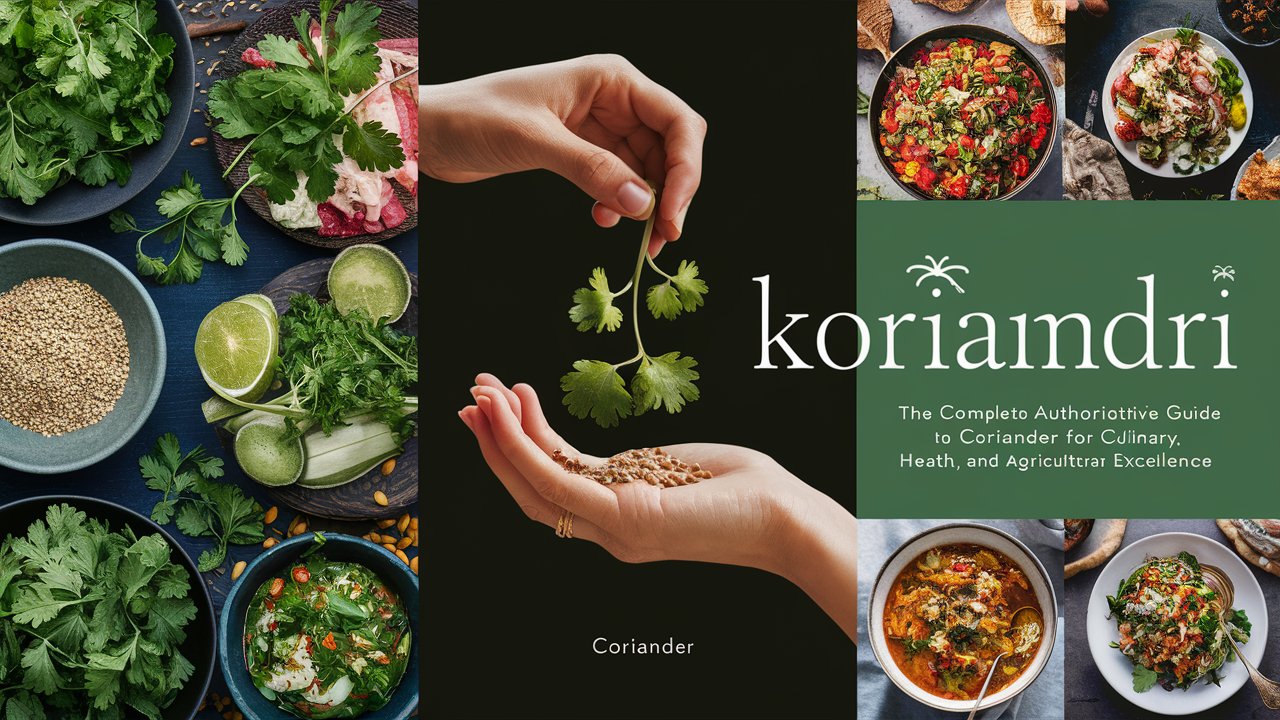
Koriandri, widely recognized as coriander (Coriandrum sativum), stands as one of the most versatile and globally cherished herbs. We explore koriandri as a culinary cornerstone, a nutritional powerhouse, and an agricultural staple cultivated across continents. From fresh green leaves to aromatic seeds, koriandri offers layers of flavor, fragrance, and function that elevate cuisines, support wellness, and contribute to sustainable farming systems. This comprehensive guide delivers an in-depth exploration designed to establish absolute topical authority on koriandri.
Keyword-Rich Titles and Their Explanations
-
Koriandri Herb Overview – Covers botanical identity, origins, and global relevance.
-
Coriander Leaves and Seeds – Explains distinct uses and properties of each form.
-
Health Benefits of Koriandri – Details nutritional value and wellness applications.
-
Culinary Uses of Coriander – Explores regional cuisines and cooking techniques.
-
Growing Koriandri Successfully – Provides cultivation best practices.
-
Koriandri Storage and Preservation – Ensures freshness and potency.
-
Economic and Cultural Importance of Coriander – Highlights trade and traditions.
Each title integrates high-intent keywords while delivering focused, authoritative explanations.
Botanical Identity and Origin of Koriandri
Koriandri belongs to the Apiaceae family, sharing lineage with parsley, cumin, and fennel. Native to the Mediterranean and Western Asia, coriander has been cultivated for over 3,000 years. Ancient texts from Egypt, Greece, and India reference koriandri for both culinary and medicinal purposes. The plant features delicate, feathery leaves, slender stems, and round seeds that mature into a warm, citrusy spice. Its adaptability has enabled widespread cultivation across temperate and subtropical regions.
Coriander Leaves vs. Coriander Seeds
Koriandri leaves, often called cilantro, deliver a fresh, bright, and slightly peppery flavor. They are used raw or lightly cooked to preserve aromatic oils. Coriander seeds, by contrast, offer a warm, nutty, and citrus-infused profile when dried. Ground seeds are foundational in spice blends, while whole seeds are used for pickling and tempering. Understanding this duality is essential for maximizing koriandri’s culinary and commercial value.
Nutritional Profile and Health Benefits of Koriandri
Koriandri is rich in vitamins A, C, and K, alongside minerals such as potassium, calcium, and iron. The leaves provide antioxidants that support immune health, while the seeds contain essential oils like linalool, known for digestive and anti-inflammatory properties. Regular inclusion of koriandri contributes to improved digestion, balanced blood sugar, and cardiovascular wellness. Traditional systems value coriander for detoxifying effects and metabolic support, reinforcing its status as a functional herb.

Culinary Uses of Koriandri Across Global Cuisines
Koriandri is indispensable in diverse culinary traditions. In South Asian cooking, coriander leaves garnish curries, chutneys, and lentil dishes, while seeds anchor spice mixes such as garam masala. Middle Eastern cuisine relies on coriander seeds for depth in meat rubs and stews. Latin American kitchens celebrate fresh koriandri in salsas, ceviche, and soups. European baking incorporates ground coriander for subtle citrus warmth. Each application demonstrates koriandri’s unmatched adaptability.
Growing Koriandri: Cultivation Best Practices
Successful cultivation of koriandri requires well-drained soil, moderate sunlight, and consistent moisture. The herb thrives in cooler temperatures, bolting quickly in excessive heat. Direct sowing ensures strong root development, while staggered planting extends harvest periods. Organic compost enhances leaf yield and essential oil concentration. For seed production, allowing plants to flower and set seed ensures high-quality coriander for culinary and commercial use.
Harvesting, Storage, and Preservation of Koriandri
Harvest koriandri leaves early in the morning to retain maximum aroma. Fresh leaves store best when wrapped in damp paper and refrigerated. Freezing chopped koriandri in airtight containers preserves flavor for extended use. Coriander seeds should be harvested when brown and fully dried, then stored in sealed containers away from light and heat. Proper handling maintains potency and shelf life.
Economic and Cultural Significance of Koriandri
Koriandri holds substantial economic value in global spice markets. Major producers include India, Morocco, Russia, and Eastern Europe. The herb’s cultural importance is reflected in festivals, traditional medicines, and regional identities. Coriander’s resilience and demand make it a profitable crop for smallholders and commercial farms alike, contributing to food security and trade.
Koriandri in Modern Wellness and Sustainability
Modern wellness industries incorporate koriandri into teas, supplements, and essential oils. Its low environmental footprint and compatibility with sustainable farming practices enhance its relevance in eco-conscious agriculture. Intercropping koriandri improves soil health and biodiversity, reinforcing its role in regenerative systems.
Conclusion
Koriandri stands as a multifaceted herb that bridges tradition and innovation. Its culinary versatility, nutritional richness, and agricultural resilience establish it as an indispensable global ingredient. By understanding and applying best practices in use, cultivation, and preservation, we unlock the full potential of koriandri for kitchens, farms, and wellness pursuits worldwide.
Frequently Asked Questions (FAQ)
What is the difference between koriandri and cilantro?
Koriandri refers to the entire plant, while cilantro specifically denotes the fresh leaves.
Can koriandri be used daily?
Yes, moderate daily consumption supports digestion and nutrient intake.
How long does coriander seed remain potent?
When stored properly, coriander seeds retain flavor for up to two years.
Is koriandri suitable for organic farming?
Absolutely, it thrives with organic inputs and minimal intervention.
Does koriandri grow indoors?
With adequate light and drainage, koriandri grows successfully in containers.
-

 Entertainment5 months ago
Hitaar – Meaning, Significance, and Complete Guide
-

 Crypto4 months ago
Crypto30x.com: Your Ultimate Guide to Crypto Investments and Market Insights
-

 Business5 months ago
هنتاوي.com – The Complete Guide to Understanding, Accessing, and Exploring Online Content Safely
-

 Science5 months ago
Understanding HCOOH + CH₂ → H₂O: A Complete Guide
-

 Business4 months ago
هنتاوي.com – The Ultimate Guide to Discovering Everything About the Platform
-

 Entertainment4 months ago
Hanime1 – Everything You Need to Know About This Popular Platform
-

 Trends5 months ago
“Coomer SU: Understanding the Phenomenon and Its Impact”
-

 Technology6 months ago
The Ultimate Guide to Trucofax: Features, Benefits, and How It Works