
World
FlorenceLOL: The Ultimate Guide to the Aesthetic Appeal and Cultural Charm of Florncelol

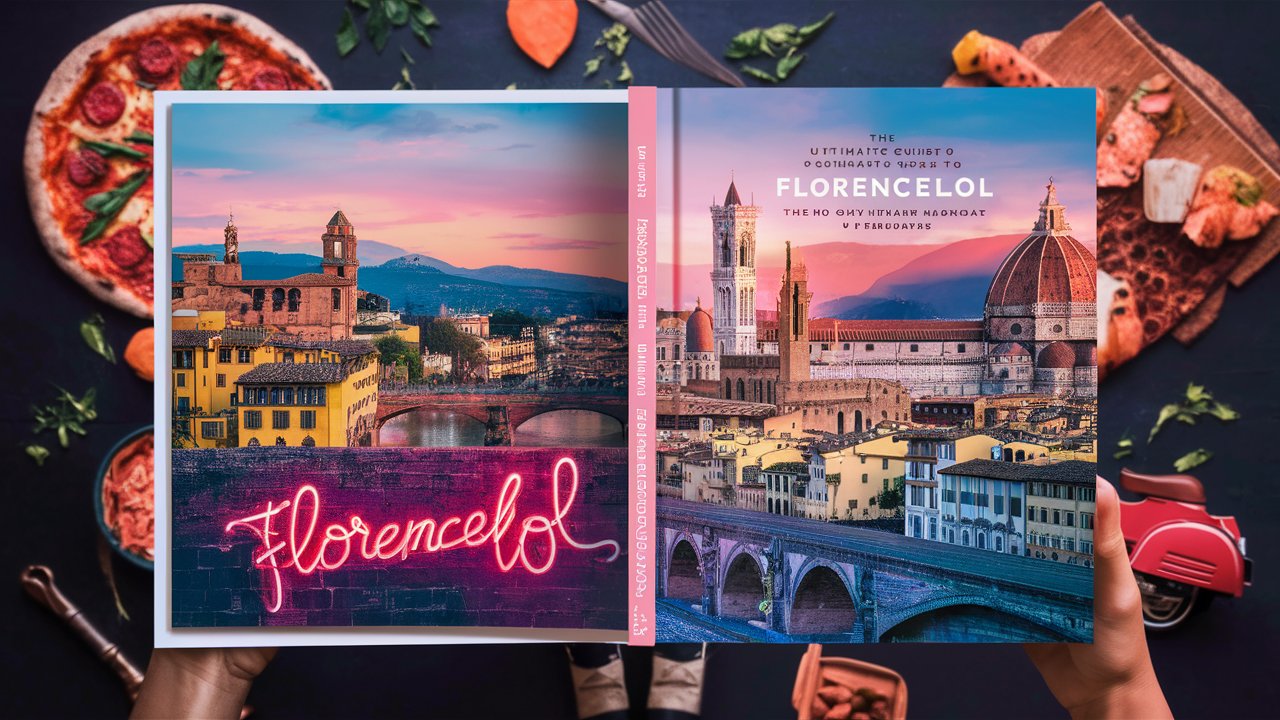
The captivating world of Florncelol has taken the internet by storm, intriguing people with its mysterious origins, visually stunning aesthetics, and charming cultural influence. Whether you stumbled upon this term through social media trends, creative artwork, or global discussions around modern digital expressions, Florncelol represents more than just a word — it symbolizes beauty, creativity, history, and community. In this comprehensive guide, we explore the meaning of Florncelol, how it connects to Florence, its rising popularity across digital spaces, and why it continues to attract global admiration. This article dives deep into every aspect surrounding Florncelol, providing in-depth details that help anyone understand and appreciate it more profoundly.
What is Florncelol? A Deep Understanding of the Term
Florncelol appears to be a modern reinterpretation or stylized form inspired by Florence, one of Italy’s most iconic cities known for its Renaissance art, breathtaking architecture, and timeless culture. While the term itself may not exist traditionally, online communities use Florncelol to reference aesthetic content, romanticized visuals, elegant designs, or themes that resemble the essence of classical beauty. It merges Florence-inspired ambiance with modern artistic expression, making it unique and memorable among creative communities worldwide.
The term has become a symbol for artistic passion, luxury, and vintage charm. Today, digital creators, travelers, historians, fashion enthusiasts, and architects frequently associate Florncelol with the fine details of Italian classicism blended with contemporary elegance.
History and Origin Linked to Florence’s Cultural Brilliance
At the heart of Florncelol lies the legacy of Florence (Firenze) — a city that flourished as the birthplace of the Renaissance. From Michelangelo’s sculptures to Brunelleschi’s dome and the artistry of Da Vinci, Florence shaped the world’s artistic future. When people use Florncelol online, they often evoke the romantic nostalgia of cobblestone streets, grand palaces, galleries, and golden Tuscan sunsets.
This connection explains why the word sparks curiosity. It carries centuries of history, intellectual evolution, and architectural genius. Florence stands for creativity, and Florncelol echoes that passion in a contemporary form. Today, many users apply Florncelol to describe:
-
Renaissance-inspired fashion
-
Classical interior design themes
-
Artistic photo edits with warm tones
-
Travel aesthetics in Florence and Tuscany
-
Vintage paintings, floral textures, old manuscripts
-
Modern digital art influenced by classical beauty
Why Florncelol Gained Popularity Online
The internet thrives on visually appealing and emotionally engaging content. Florncelol fits perfectly into this environment. Its presence has increased across social networks because it speaks to an audience that values deep cultural stories, timeless beauty, and creative imagination. Influencers and design enthusiasts incorporate this term to label their unique artistic collections, create mood boards, or showcase photography with a Renaissance-inspired palette.
Social media thrives on trends that merge creativity with storytelling. Florncelol became a keyword driving engagement and visibility, as users resonate with its charm and share content that represents serenity, elegance, and nostalgia.
FlorenceLOL vs. Florncelol – Exploring the Diversity in Spelling and Usage
While Florncelol appears predominantly as an aesthetic concept, Florencelol or FlorenceLol often carry humorous or playful variations, frequently used to add personality to artwork, memes, or creative captions. The similarity in spelling shows how flexible and adaptable this trend is. It shifts in tone depending on context — serious art galleries may use Florncelol to reflect sophistication, while online creators might use FlorenceLOL to convey lighthearted interpretations of Italian culture.
Regardless of spelling style, both forms carry a shared root: Florence, the city of art and dreams.
The Aesthetic Components That Define Florncelol
Florncelol represents more than geographic association — it reflects a complete visual and emotional experience. It blends multiple artistic elements such as:
Vintage Color Palette
Warm golds, rustic browns, emerald greens, pastel rose tones, antique parchment hues — all reminiscent of classical paintings and old Tuscany villas.
Architectural Grandeur
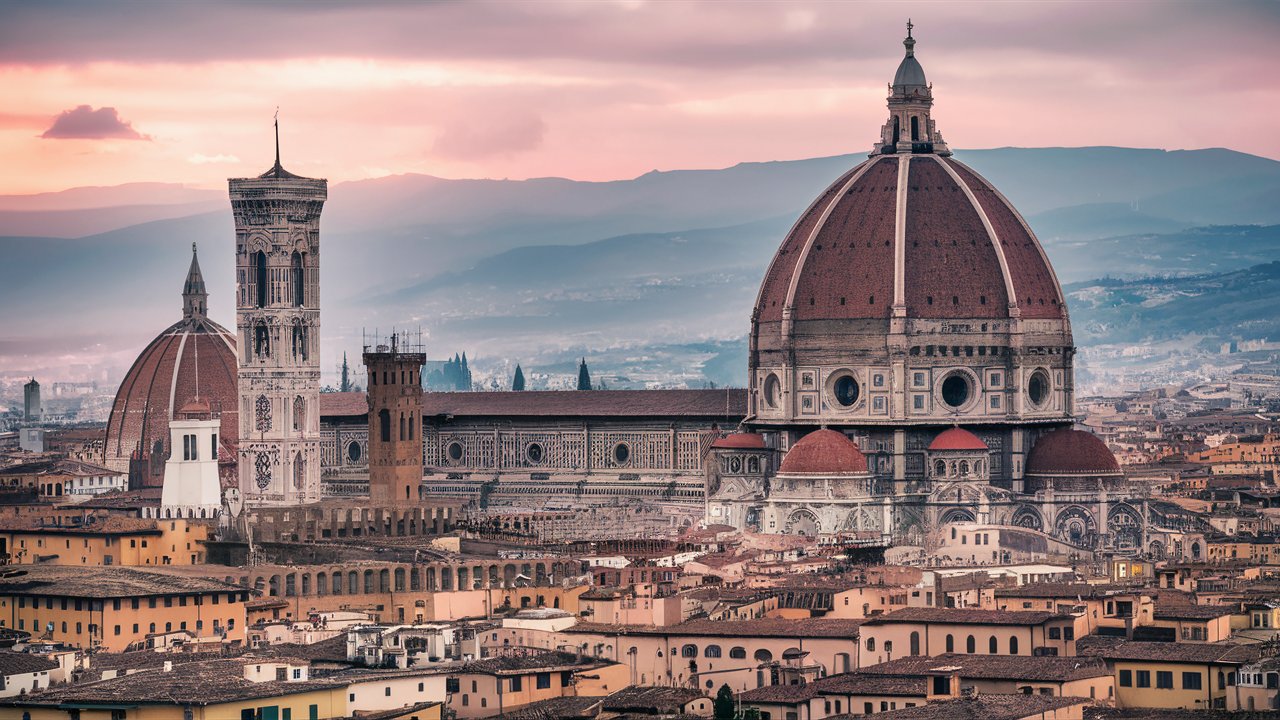
Cathedrals, domes, marble sculptures, stone bridges, gothic and baroque designs that remind viewers of Italy’s glorious past.
Romantic European Lifestyle
Slow café mornings, riverwalk evenings, literature-inspired serenity, violin melodies, and the aroma of aged wine.
Timeless Artistic Symbolism
Oil paintings, floral motifs, handwritten calligraphy, Renaissance portraits, museum halls, and poetic narratives.
These elements create an immersive identity that designers and photographers cherish, making Florncelol not simply a word, but a style.
How to Use Florncelol in Creative Projects and Branding
Every brand today seeks uniqueness — and Florncelol offers an unforgettable creative direction. Businesses in travel, art, interior design, vintage fashion, and luxury branding can incorporate Florncelol themes to attract sophisticated audiences.
Strategies to implement Florncelol aesthetics include:
-
Designing Renaissance-inspired branding kits
-
Creating websites with vintage serif fonts and gold accents
-
Using Tuscany-style imagery in promotional material
-
Developing elegant packaging for boutique products
-
Crafting storytelling posts through historical visuals
A brand aligned with Florncelol stands out as refined, artistic, and emotionally rich — qualities that significantly influence consumer interest.
Why Florncelol Content Ranks Highly on Search Engines
SEO thrives on memorable keywords and engaging content. Florncelol is unique, less competitive, and highly brandable — meaning content optimized around it is more likely to achieve visibility. With strong semantic connections to Florence, art, culture, travel, vintage aesthetics, and design, the keyword becomes even more valuable for ranking.
Creating long-form informative articles, guides, visual galleries, and historical breakdowns around Florncelol helps websites capture niche traffic and build authority.
Conclusion
Florncelol is more than a trending word — it is a movement of creativity inspired by the timeless beauty of Florence. From artistic photography to luxury branding and digital aesthetic culture, Florncelol represents nostalgia, elegance, and the richness of Renaissance heritage. As more people explore its meaning, the keyword continues to shape visual culture globally, offering endless opportunities for creativity and storytelling. Its charm lies in how it bridges history with modern imagination, making it a powerful concept for digital communities, designers, travelers, and anyone passionate about cultural beauty.
FAQ
1. What does Florncelol mean?
It’s an art-inspired term derived from Florence culture and aesthetics, symbolizing elegance and classical beauty.
2. Why is Florncelol trending online?
Because its artistic visuals and vintage charm resonate with social media audiences and creative communities.
3. How can Florncelol be used in branding?
Businesses use it for vintage design concepts, luxury brand visuals, packaging, and travel-based campaigns.
4. Is Florncelol the same as FlorenceLOL?
Both relate to Florence culture aesthetically, but FlorenceLOL often carries a more playful or humorous tone.

Tumbons, also commonly referred to as tambons, represent one of the most significant grassroots administrative units in several Southeast Asian governance systems, particularly in Thailand. We recognize tumbons as the structural foundation that connects national policy to local communities, enabling efficient administration, cultural preservation, and sustainable development. Understanding tumbons provides deep insight into how local governance functions, how communities organize themselves, and how cultural identities are maintained at the local level.
This article presents an in-depth, authoritative exploration of tumbons, covering their administrative role, historical development, governance mechanisms, economic relevance, and cultural importance. We address every essential aspect with precision and clarity, ensuring comprehensive coverage of the topic.
What Are Tumbons?
Tumbons are sub-district administrative divisions that typically fall below districts and above villages in the administrative hierarchy. Each tumbon consists of multiple villages that share administrative oversight and community resources. We identify tumbons as the primary interface between citizens and local government authorities, making them critical for public service delivery, local planning, and civic engagement.
In administrative terms, tumbons are responsible for localized decision-making, ensuring that development initiatives are tailored to the specific needs of their populations. This decentralized structure enhances efficiency and responsiveness across rural and semi-urban regions.
Historical Evolution of Tumbons
The historical roots of tumbons extend back centuries, emerging from traditional systems of land organization and community governance. We observe that tumbons evolved as population clusters expanded, requiring formalized administrative oversight. Over time, these units became legally recognized subdivisions within national governance frameworks.
Colonial influence, modernization efforts, and administrative reforms shaped the contemporary structure of tumbons, aligning traditional community boundaries with standardized governance practices. This evolution ensured continuity while enabling integration with national administrative systems.
Administrative Structure of Tumbons
Each tumbon operates under a defined administrative structure designed to manage public affairs effectively. We recognize the following core components:
-
Local Administrative Organizations (LAOs) that oversee budgeting, infrastructure, and public services
-
Elected councils that represent community interests
-
Executive leadership responsible for policy implementation
This structure empowers residents through participatory governance, allowing communities to influence decisions related to education, healthcare, sanitation, and transportation within their tumbons.
Governance and Local Authority in Tumbons
Governance within tumbons emphasizes decentralization and accountability. We see tumbons functioning as semi-autonomous units with authority to manage local resources, implement development projects, and enforce regulations aligned with national law.
Local authorities within tumbons coordinate closely with district administrations, ensuring consistency while maintaining flexibility. This balance supports responsive governance, especially in addressing local challenges such as environmental management, disaster preparedness, and public welfare.
Economic Importance of Tumbons
The economic landscape of tumbons reflects the diversity of local livelihoods. We note that agriculture, small-scale manufacturing, tourism, and local trade form the backbone of tumbon economies. These areas often serve as hubs for agricultural production, supplying regional and national markets.
Local governments actively promote economic development by supporting cooperatives, improving infrastructure, and facilitating access to markets. Through targeted initiatives, tumbons foster economic resilience and sustainable growth tailored to local conditions.
Cultural Significance of Tumbons
Tumbons play a vital role in preserving cultural heritage. We recognize these areas as custodians of traditional practices, languages, festivals, and craftsmanship. Community temples, local markets, and cultural centers within tumbons act as focal points for social cohesion.
By integrating cultural preservation into development planning, tumbons ensure that modernization does not erode local identity. This approach strengthens community pride and promotes cultural tourism.
Public Services and Infrastructure in Tumbons
Public service delivery within tumbons directly impacts quality of life. We observe that local administrations oversee essential services including:
-
Road maintenance and transportation
-
Waste management and sanitation
-
Primary healthcare facilities
-
Educational institutions
Infrastructure development within tumbons prioritizes accessibility and sustainability, ensuring equitable service distribution across villages.
Tumbons and Community Participation
Community participation defines the effectiveness of tumbons. We emphasize that resident involvement in planning, budgeting, and decision-making processes enhances transparency and trust. Regular community meetings and public consultations ensure that development initiatives reflect collective priorities.
This participatory approach strengthens social capital and empowers citizens, positioning tumbons as models of grassroots democracy.
Challenges Facing Tumbons
Despite their strengths, tumbons face challenges including limited budgets, population migration, and environmental pressures. We identify capacity-building and intergovernmental cooperation as critical strategies for addressing these issues.
By leveraging technology, enhancing administrative skills, and fostering partnerships, tumbons can overcome constraints and continue to serve their communities effectively.
Future Development of Tumbons
The future of tumbons lies in sustainable, inclusive development. We foresee increased adoption of digital governance, data-driven planning, and environmentally responsible practices. These advancements will enhance service efficiency while preserving cultural integrity.
Investment in education, infrastructure, and community leadership will further strengthen tumbons as foundational pillars of local governance.
Conclusion
Tumbons represent more than administrative divisions; they are living communities that embody local governance, culture, and economic vitality. We have explored their historical origins, administrative functions, economic relevance, and cultural significance in detail. By understanding tumbons, we gain valuable insight into the mechanisms that sustain local communities and drive balanced development.
As governance models continue to evolve, tumbons remain essential in bridging national policy with local realities, ensuring that progress is inclusive, responsive, and culturally grounded.
Frequently Asked Questions (FAQ)
What is the primary role of tumbons?
The primary role of tumbons is to manage local administration, deliver public services, and facilitate community development at the sub-district level.
How are tumbons governed?
Tumbons are governed by local administrative organizations with elected councils and executive leaders responsible for policy implementation.
Why are tumbons important for local development?
Tumbons enable decentralized governance, allowing tailored solutions that address specific community needs effectively.
What economic activities are common in tumbons?
Agriculture, local trade, tourism, and small-scale industries are common economic activities within tumbons.
How do tumbons preserve local culture?
Tumbons support cultural events, traditional practices, and heritage sites, integrating cultural preservation into development planning.

Traveling between Monterrey – toluca has become increasingly popular for business professionals, tourists, and residents exploring Mexico’s vibrant economic and cultural hubs. Whether planning to travel by road, plane, or bus, having access to reliable information makes the journey smoother and more enjoyable. In this comprehensive guide, we provide every detail travelers need — from distance and travel time to the best transportation options, attractions, safety tips, costs, and FAQs.
Overview of Monterrey – Toluca Travel
The route from Monterrey – toluca connects one of Mexico’s most industrially advanced cities with the high-altitude cultural capital of the State of Mexico. Monterrey, famous for its modern skyline and corporate influence, contrasts beautifully with Toluca’s traditional architecture, museums, and cooler climate. The journey between these destinations suits travelers seeking business opportunities, tourism, or educational visits, as universities and commercial centers thrive in both regions.
Monterrey lies in the northeast surrounded by mountains, offering culinary excellence and cosmopolitan experiences. Toluca sits in the central region, close to Valle de Bravo and the Nevado de Toluca volcano, making it ideal for nature and history enthusiasts. With numerous transportation options, traveling between these two cities is accessible and convenient year-round.
Distance and Route Details Between Monterrey and Toluca
The average distance from Monterrey to Toluca by road is approximately 900–950 kilometers, depending on the chosen route. Most travelers drive through the central highways that pass San Luis Potosí and Querétaro, two major urban stops for refueling, resting, and dining. The road infrastructure is well-maintained, making long-distance travel relatively safe and comfortable.
Driving usually requires 10 to 12 hours depending on traffic, weather, and stops. For those preferring to travel directly and quickly, air travel is significantly faster and extremely convenient for business trips or short vacations.
Best Routes for Monterrey – Toluca by Car
1. Monterrey – San Luis Potosí – Querétaro – México – Toluca
This is the most common and fastest route. It uses major highways such as Carretera 57D, offering toll roads that save time and enhance safety. Fuel stations, food stops, and motels are available frequently along the route.
2. Monterrey – Zacatecas – Aguascalientes – Toluca
A scenic alternative, ideal for travelers wanting to explore central Mexico’s historic architecture. Slightly longer but filled with cultural landmarks, vineyards, and artisan markets.
Traveling Monterrey – Toluca by Bus
Bus travel is one of the most cost-effective options. Several first-class companies operate routes daily with comfortable seating, Wi-Fi, onboard screens, and restrooms. The typical travel time by bus ranges from 13 to 16 hours, depending on stops and road conditions.
Popular bus lines include:
-
ETN
-
Futura
-
Omnibus de México
-
Transportes del Norte
Ticket pricing fluctuates based on season and availability but generally remains affordable for long-distance travelers.
Monterrey – Toluca Flights: Fastest and Most Convenient Option
When time matters, flying is the best option. Direct and connecting flights are available weekly, reducing total travel time to 1 hour 30 minutes to 2 hours, excluding check-in process. Monterrey International Airport (MTY) and Toluca International Airport (TLC) both offer modern facilities with car rental, transport services, lounges, and dining options.
Airlines connecting Monterrey and Toluca include:
-
Viva Aerobus
-
Aeroméxico
-
Volaris (via Mexico City occasionally)
Booking early helps secure lower fares, especially during holidays, business seasons, and school vacations.
What to Expect When You Arrive in Toluca
Toluca’s weather is cool most of the year due to altitude, so carrying a jacket is recommended. The city blends colonial charm with industrial development, offering museums, parks, shopping malls, and traditional Mexican cuisine known for its chorizo and sweets. From Toluca, travelers can easily visit Nevado de Toluca, a breathtaking volcanic crater with lagoons perfect for hiking and photography.
Nearby destinations:
-
Metepec Pueblo Mágico
-
Valle de Bravo
-
Zoológico Zacango
-
Cosmovitral Botanical Garden
What to Expect When You Arrive in Monterrey
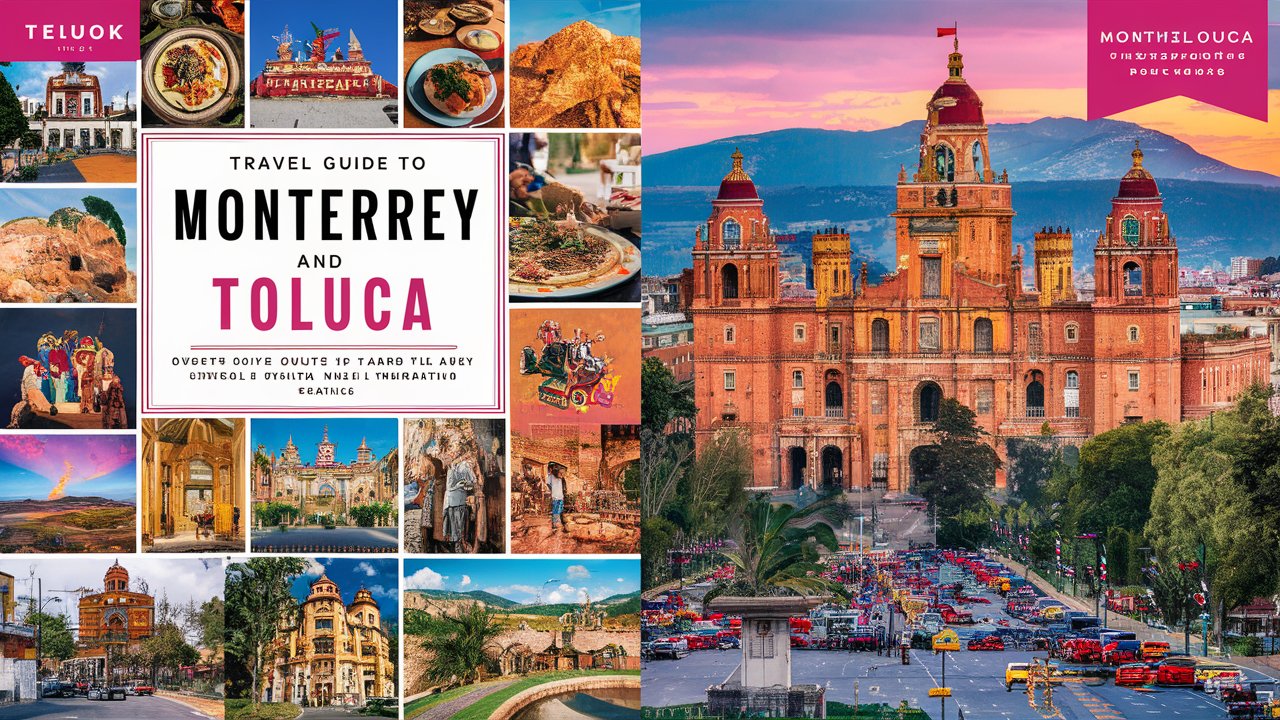
Monterrey offers a vibrant urban atmosphere with skyscrapers, nightlife, and modern attractions. The city is known for its warm hospitality, world-class restaurants, and extensive business sector. Outdoor lovers enjoy Chipinque Park and La Huasteca canyon for hiking, biking, and views of the Sierra Madre mountains.
Top places to visit:
-
Macroplaza
-
Fundidora Park
-
Santa Lucia Riverwalk
-
Museo de Historia Mexicana
-
Grutas de García
Cost Breakdown for Monterrey – Toluca Travel
| Mode of Transport | Estimated Cost | Travel Time |
|---|---|---|
| Car (Fuel + Tolls) | Medium to High | 10–12 hours |
| Bus | Affordable | 13–16 hours |
| Flight | Variable, seasonal | 1.5–2 hours |
Costs vary depending on vehicle type, toll routes, bus class, or flight promotions.
Safety and Travel Tips
To ensure a smooth trip between Monterrey and Toluca:
-
Maintain your vehicle in optimal condition if driving.
-
Choose toll roads for better security and faster travel.
-
Buy bus and flight tickets in advance for better pricing.
-
Avoid peak travel hours to reduce road congestion.
-
Keep identification, hydration, and emergency contacts ready.
-
Monitor weather forecasts, especially during rainy seasons.
Conclusion
The Monterrey – Toluca journey offers a diverse experience—whether choosing a scenic road trip, a budget-friendly bus route, or the convenience of air travel. By understanding distances, routes, transport options, attractions, and tips, travelers plan confidently and enjoy both destinations to their fullest. Monterrey’s modern flair and Toluca’s cultural beauty make this route one of Mexico’s most attractive and valuable travel corridors. With proper planning, the trip becomes not just transportation, but an unforgettable experience.
FAQ – Monterrey to Toluca Travel
How long is the Monterrey – Toluca drive?
Approximately 10–12 hours depending on route and traffic.
What is the fastest way to travel between Monterrey and Toluca?
Flying is the fastest, averaging 1.5–2 hours.
Are there direct buses from Monterrey to Toluca?
Yes, several companies operate daily direct routes.
What is the best season to visit Toluca?
All year, but weather is cooler, so warm clothing is useful.
Is the road route safe?
Toll highways are the safest and most recommended for travel.
The concept of Cumhuritey carries profound significance in historical, cultural, and political discourse. Emerging from traditions deeply rooted in governance, identity, and the collective will of the people, Cumhuritey is more than just a system or ideology; it is a symbol of freedom, equality, and unity. In this article, we will explore its origin, development, principles, global impact, and contemporary role, providing an in-depth perspective that enhances understanding and appreciation of its value.
What Does Cumhuritey Mean?
The word Cumhuritey is derived from the term “Cumhuriyet,” which translates to “republic.” At its core, Cumhuritey represents a government form in which sovereignty belongs to the people, not to monarchs, dynasties, or elites. It embodies the ideals of democracy, citizenship, participation, and equality, ensuring that every individual has a voice in shaping their collective future.
The principles of Cumhuritey emphasize:
-
Popular sovereignty – authority lies with the people.
-
Equality of citizens – no special privileges by birth or class.
-
Rule of law – laws apply equally to all.
-
Accountability – leaders must serve and answer to citizens.
The Historical Evolution of Cumhuritey
The roots of Cumhuritey can be traced back to early democratic practices in ancient civilizations, but its modern conceptualization took shape in the 18th and 19th centuries. Movements such as the French Revolution and the rise of constitutional republics emphasized the importance of breaking away from hereditary monarchies and oppressive regimes.
In Turkey, the term became especially significant with the founding of the Turkish Republic in 1923 under Mustafa Kemal Atatürk. The establishment of Cumhuriyet was not only a political transformation but also a cultural and social revolution, reshaping education, law, and societal values toward modernism and secularism.
Core Principles of Cumhuritey
1. Democracy and People’s Will
Cumhuritey prioritizes direct or representative democracy, ensuring that governance reflects the will of the people. Elections, referenda, and public participation are central to sustaining this model.
2. Equality and Citizenship
One of the strongest aspects of Cumhuritey is its commitment to equal rights and responsibilities for all citizens, regardless of religion, ethnicity, or social background.
3. Secularism and Modernization
In contexts such as Turkey, Cumhuritey has been closely tied with secular governance, emphasizing the separation of state and religion to guarantee freedom of belief and protect diversity.
4. Accountability and Rule of Law
Leaders in a Cumhuritey are expected to serve transparently and remain answerable to citizens, with checks and balances that prevent authoritarian control.
Cumhuritey in Turkish Context
The establishment of Cumhuritey in Turkey under Atatürk marked one of the most significant moments in the nation’s history. This shift from empire to republic brought about sweeping reforms:
-
Educational reform with modern schools and universities.
-
Legal reform by replacing religious-based law with civil law.
-
Cultural modernization with new symbols, language reforms, and cultural identity building.
-
Economic restructuring focused on industrial growth and modernization.
The Turkish Cumhuritey has since become a symbol of progress and independence, celebrated every year on Republic Day (Cumhuriyet Bayramı), reflecting national pride and unity.
Global Relevance of Cumhuritey
The ideals embedded in Cumhuritey resonate beyond national borders. Across the globe, republics founded on similar principles share the vision of:
-
Empowering citizens to participate in governance.
-
Ensuring justice through independent judicial systems.
-
Promoting equality and protecting minority rights.
-
Encouraging innovation and modernization while respecting cultural heritage.
In today’s interconnected world, Cumhuritey continues to influence debates on human rights, democracy, and social justice, serving as a universal model for sustainable governance.
Challenges Facing Cumhuritey Today
While Cumhuritey holds immense value, it also faces modern challenges that test its resilience:
-
Political polarization leading to divisions within society.
-
Threats to democratic institutions from corruption or authoritarian tendencies.
-
Globalization pressures that can dilute national identity.
-
Technological shifts challenging traditional democratic processes.
Addressing these challenges requires strengthening democratic institutions, promoting civic education, and ensuring citizens remain active participants in shaping their future.
Why Cumhuritey Matters in the 21st Century
In a world marked by rapid change and uncertainty, Cumhuritey provides a framework of stability and inclusiveness. It ensures that governance remains aligned with the people’s needs, fostering trust and cooperation.
For societies aspiring to grow, Cumhuritey stands as a model of resilience, equality, and modernization, offering hope that freedom and unity can prevail despite external and internal pressures.
Conclusion
The concept of Cumhuritey is not merely historical—it is a living, evolving system that continues to guide nations and inspire people across the world. Rooted in democracy, equality, and modernization, it remains central to the pursuit of freedom, justice, and national progress. By embracing its principles and adapting them to modern realities, societies can ensure a brighter and more inclusive future.
FAQs About Cumhuritey
Q1: What is the main meaning of Cumhuritey?
Cumhuritey refers to a republic system of governance, where sovereignty belongs to the people rather than monarchs or elites.
Q2: Who established Cumhuritey in Turkey?
Cumhuritey in Turkey was established by Mustafa Kemal Atatürk in 1923, marking the foundation of the Turkish Republic.
Q3: Why is Cumhuritey important today?
It ensures democratic participation, equality, and modernization, making it essential for building stable and inclusive societies.
Q4: What are the core values of Cumhuritey?
The core values include democracy, secularism, equality, accountability, and rule of law.
Q5: How is Cumhuritey celebrated in Turkey?
It is celebrated every year on October 29 as Cumhuriyet Bayramı (Republic Day) with parades, ceremonies, and cultural events.
-

 Entertainment6 months ago
Hitaar – Meaning, Significance, and Complete Guide
-

 Crypto5 months ago
Crypto30x.com: Your Ultimate Guide to Crypto Investments and Market Insights
-

 Business5 months ago
هنتاوي.com – The Complete Guide to Understanding, Accessing, and Exploring Online Content Safely
-

 Science6 months ago
Understanding HCOOH + CH₂ → H₂O: A Complete Guide
-

 Business4 months ago
هنتاوي.com – The Ultimate Guide to Discovering Everything About the Platform
-
 Trends6 months ago
“Coomer SU: Understanding the Phenomenon and Its Impact”
-
 Entertainment4 months ago
Hanime1 – Everything You Need to Know About This Popular Platform
-

 Entertainment4 months ago
Czech Hunter – Everything You Need to Know About the Popular Series